
Every parent faces the same snack time question sooner or later: Is popcorn healthy for kids, or is it just junk food in disguise? The answer depends on a few important details, from how you prepare it to how old your child is. This guide breaks down the nutrition, the safety concerns, and the best ways to serve popcorn so your family can enjoy it with confidence.
Key Takeaways
- Plain, air-popped popcorn is a whole grain snack with fiber, antioxidants, and surprisingly few calories, making it a solid choice for school-age kids when prepared simply.
- Popcorn is a significant choking hazard for children under the age of 4, and many pediatric experts advise waiting until age 5 or 6 before introducing it. Always supervise younger kids during snack time.
- How you prepare popcorn matters as much as whether you serve it. Skipping heavy butter, artificial flavor, and added sugar keeps it in the healthy snacks category rather than treat territory.
- Popcorn works best as one piece of a varied snack rotation alongside options like carrot sticks, fresh fruit, yogurt, dried fruit, and high protein choices such as peanut butter on whole grain crackers.
- Olde World does not sell food products. We share this guide as part of our focus on traditional family living, gatherings, and mindful, simple snack choices rooted in real ingredients.

Is Popcorn Healthy for Kids? The Short Answer
If your kids love popcorn and beg for it at every movie night, you’re not alone. The good news is that plain, air-popped popcorn is generally a healthy snack for school-age kids and teens. It’s a whole grain, it delivers fiber, and one serving of popcorn is low in calories compared to most crunchy packaged snacks like chips, pretzels, or crackers.
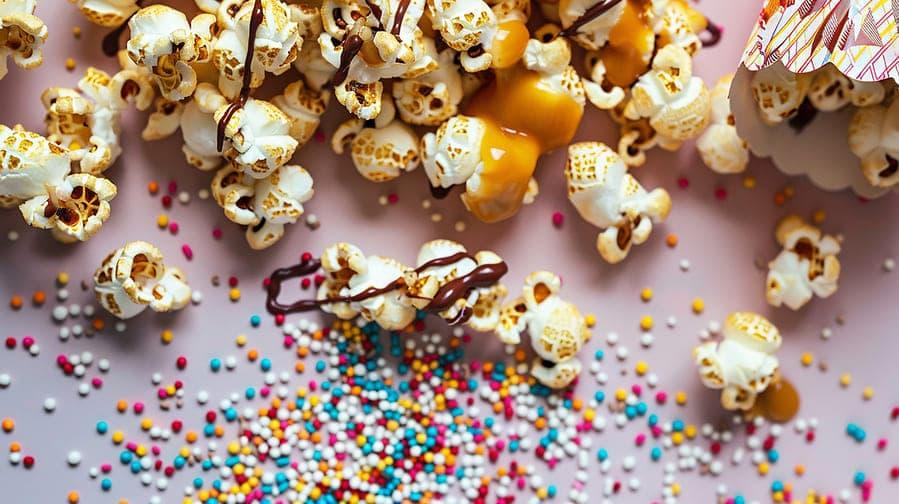
That said, popcorn becomes far less healthy when loaded with butter, artificial flavor, neon cheese powders, or heavy salt. Kettle corn and movie-theater popcorn sit closer to dessert territory than smart snacking. And for toddlers and preschoolers under about 4 years old, popcorn is a choking hazard and should be avoided entirely.
The bottom line: parents can feel good about eating popcorn when they keep it simple, age-appropriate, and part of a balanced approach to nutrition.
Popcorn Nutrition: Why It Can Be a Smart Snack
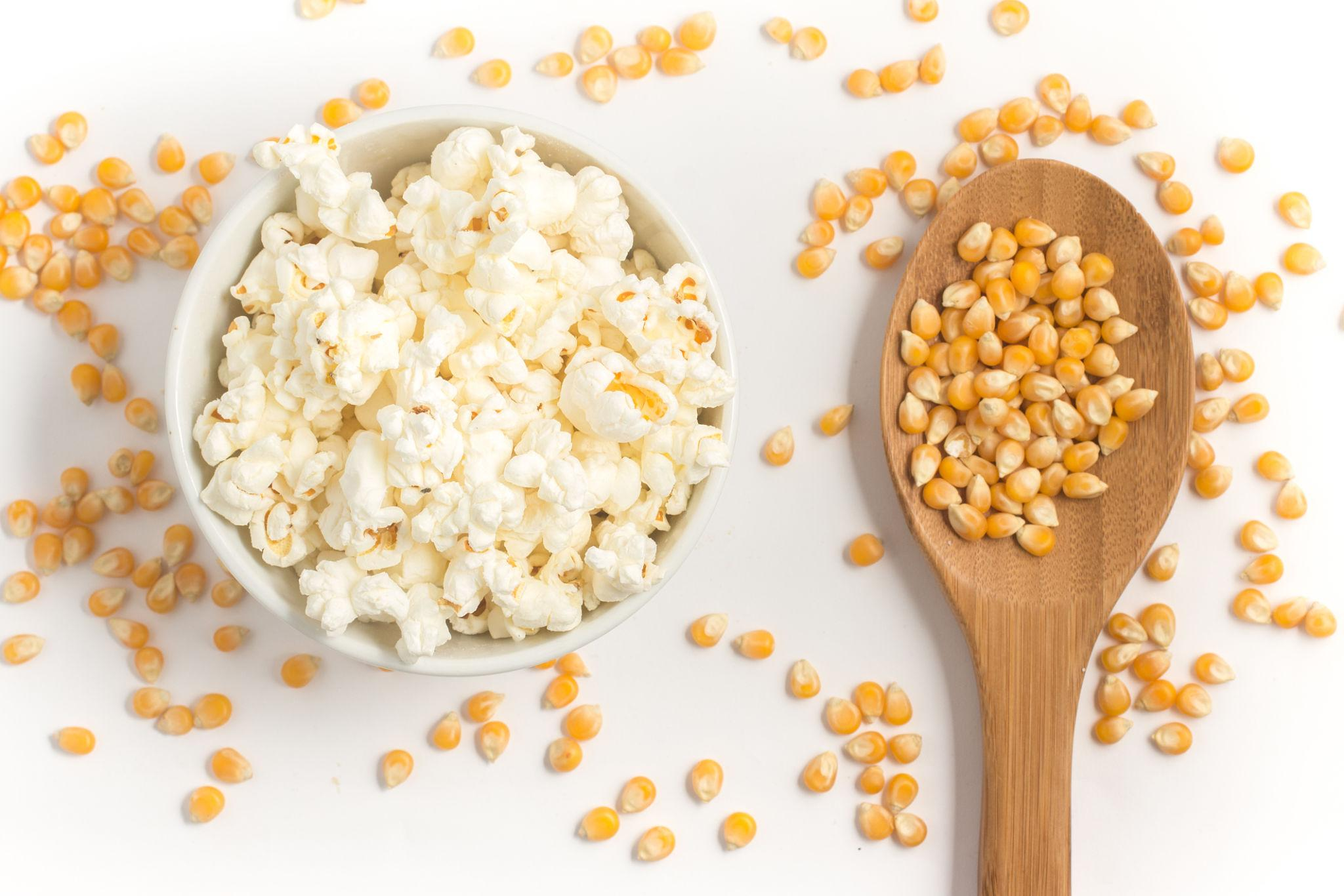
Unlike many popular snacks made from refined flour, popcorn is a whole grain kernel. That means each piece includes the bran, germ, and endosperm, giving it a nutrition profile closer to brown rice or oats than to cheese crackers or cereal bars.
Here’s what a three-cup serving of air-popped popcorn (about 24 grams) delivers:
- Roughly 93 calories
- About 3.6 grams of fiber
- Around 3 grams of protein
- Minerals like magnesium and phosphorus
- Polyphenol antioxidants are concentrated in the hull
Popcorn is a whole-grain snack with fiber, and it’s also gluten-free and vegan-friendly, which makes it accessible for many kids with dietary restrictions. Popcorn contains antioxidants called polyphenols that protect cells from damage, similar to those found in berries, tea, and dark chocolate. A single cup of air-popped popcorn runs only about 30 to 35 calories, so kids can eat a satisfying volume without overdoing it between meals.
Fiber helps maintain digestive health and prevents constipation, something every parent of a picky eater appreciates. And because popcorn is low in energy density, it helps kids feel full and satisfied, keeping them fueled with steady energy until the next meal. Compared to many packaged snacks, plain popcorn usually has fewer additives, less sugar, and less sodium, which is a great source of peace of mind for parents scanning ingredient labels.
Age & Safety: When Is Popcorn OK for Kids?
This is the section that matters most. Popcorn is a significant choking hazard for children under the age of 4. The American Academy of Pediatrics and the CDC both list popcorn among foods to avoid for very young kids.
Why is the choking risk so high? Popcorn kernels are hard, irregularly shaped, and the fibrous hulls can stick in a child’s mouth or small airway. Young children’s chewing and swallowing skills are still developing, and their molars don’t fully come in until around age two, with efficient grinding taking even longer to mature.
Many pediatric experts advise waiting until age 5 or 6 to introduce popcorn. For kids in the 4 to 6 range, here are a few safety essentials:
- Insist on sitting while eating, never in a car seat or stroller
- Serve small amounts in a bowl and supervise the entire snack time
- Remove unpopped or half-popped kernels before serving, since unpopped kernels can cause severe choking or damage teeth
- Encourage slow, thorough chewing, one piece at a time
If you’re unsure whether your child is ready, talk with their pediatrician, especially if there are sensory, chewing, or swallowing concerns.
Healthy Ways to Prepare Popcorn for Kids
How you make popcorn is just as important as whether you serve it. Home-popped versions almost always beat most packaged microwave bags in terms of health and ingredients.
Three simple methods for busy parents:
- Air-popped: Uses no oil at all. Pop kernels in an inexpensive air popper for the lightest, lowest-calorie result.
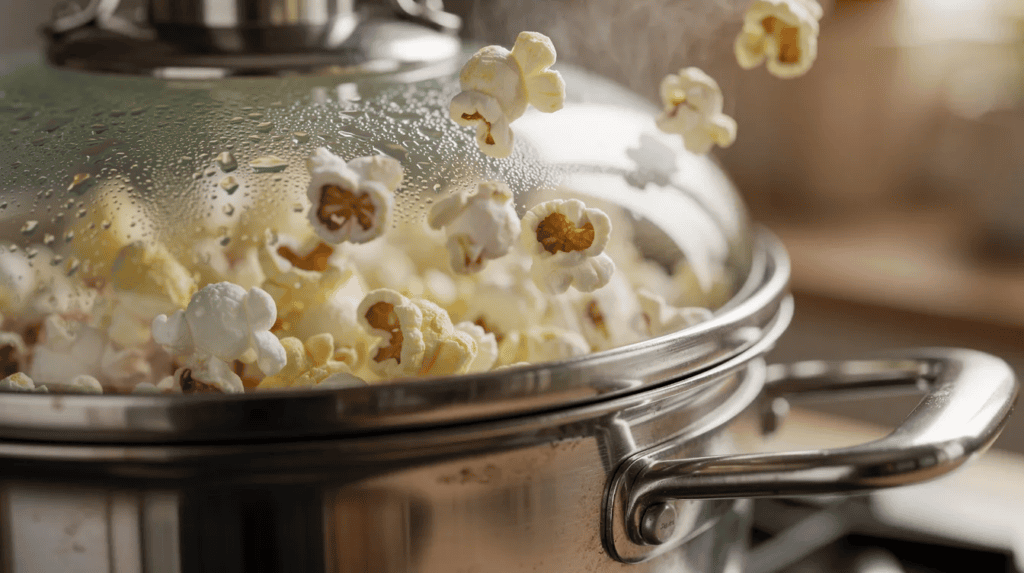
- Stovetop with a small amount of healthy oil: Use a tablespoon of olive oil or avocado oil in a covered pot. This adds a little healthy fat and improves flavor without going overboard.
- Plain paper bag in the microwave: Place a few tablespoons of kernels in a brown paper bag, fold the top, and microwave. No chemicals, no additives.
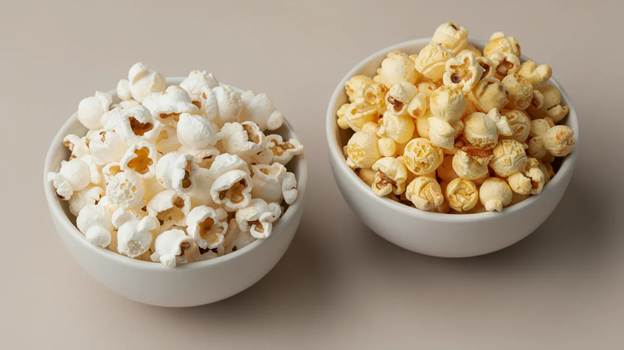
Microwave popcorn often contains high levels of sodium and trans fats, along with artificial flavorings and bag coatings that have raised health concerns over the years. If you do grab a store-bought bag, read the label and look for simple recipes with just popcorn, oil, and salt. Brands like Lesser Evil popcorn contain healthy fats and fiber without a long list of additives. Skip anything with artificial butter flavor, caramel coatings, or neon cheese dust for everyday snacks.
Kid-Friendly Popcorn Toppings (That Stay Mostly Healthy)
Kids love flavor, and a few small tweaks can keep popcorn fun and delicious without turning it into candy. Here are some savory and sweet ideas that work well:
- A light sprinkle of sea salt
- Nutritional yeast for a cheesy, dairy-free taste with added B vitamins
- A dusting of cinnamon for a sweet, warm flavor
- Mild smoked paprika or garlic powder
- A small drizzle of real melted butter, used sparingly
- Citrus zest for something unexpected and bright
For a more balanced snack, pair popcorn with high-protein add-ons on the side: a glass of milk, a cheese stick, or a spoonful of peanut butter on whole-grain crackers. For occasional movie nights, try mixing a cup of air-popped popcorn with a small handful of dried fruit and a few dark chocolate bites. It feels like a treat but stays mostly in healthy territory.
Be cautious with sticky-sweet coatings, heavy caramel, or loads of added sugar. Those quickly move popcorn from the healthy snacks shelf into dessert territory.
Popcorn vs Other Popular Kids’ Snacks
How does popcorn stack up against the other foods parents commonly pack or serve? Let’s compare.
Plain popcorn is a whole grain with more fiber and fewer added ingredients than most chips, cheese crackers, cookies, or fruit snacks. A medium movie theater popcorn can run up to 1,200 calories before the butter topping, but a three-cup air-popped serving at home is under 100 calories. That’s a massive difference.
Compared to carrot sticks, fresh fruit, blueberries, grapes, apples, and freeze-dried fruit, those options bring more vitamins, water content, and natural sweetness. Organic snacks often contain no artificial ingredients, and options like organic applesauce, which is made with nothing but apples, or organic fruit snacks that can be made with just five ingredients, offer simple nutrition with minimal processing. That’s It Mini Fruit Bars contain only 2 to 3 ingredients, making them another solid grab-and-go option. Organic snacks can also help reduce added sugar intake for kids compared to many conventional alternatives.
The smartest approach is a varied rotation: some days popcorn, other days celery sticks with dip, veggies and hummus, yogurt, or a small bag of nuts and walnuts. Popcorn is a handy bridge between fun and function. It feels like a crunchy treat, but when prepared well, it behaves more like a nourishing whole grain.
Building a Balanced Snack: Where Popcorn Fits
A simple snack formula for parents: aim to combine at least two of three elements at snack time, which are a whole grain or fruit and veggies, a source of protein, and a healthy fat.
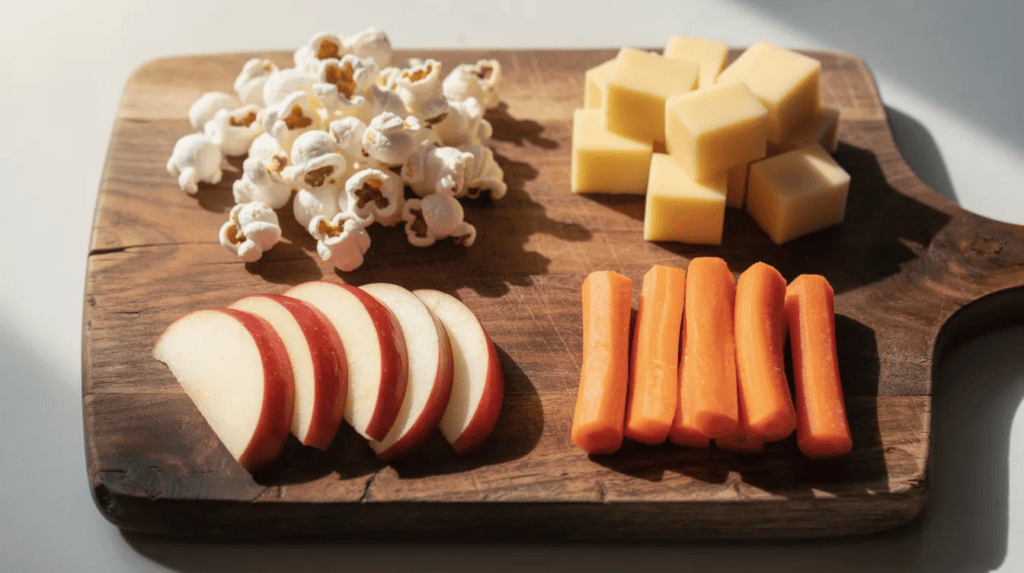
Popcorn fills the whole grain slot. Pair it with high-protein foods for staying power. Here are sample combinations:
- Popcorn plus carrot sticks and hummus
- Popcorn with apple slices and a small swipe of peanut butter
- Popcorn with sliced cheese and grapes
- Popcorn and freeze-dried fruit for on-the-go snacking
Freeze-dried fruit is shelf-stable and easy to pack, which makes it perfect for lunches and lunchbox prep. Steamed edamame is another high-protein snack for kids that pairs well with a bowl of popcorn. Peanut Butter Oatmeal Balls provide 5 grams of protein each and are easy to bake ahead for the week. Organic blueberries, priced at $7.59 at Costco, are another great addition to round out a snack plate with nutrients and color.
Encourage parents to think ahead and portion popcorn into small containers or a bag as part of weekly school snack prep. Adding fruits or veggies next to the popcorn helps kids see snack time as more than just something crunchy in a bowl.
When Popcorn Isn’t the Best Choice
No snack is perfect for every situation, and there are times when it’s better to decide against popcorn.
- For toddlers and very young children, the choking risk is too high, especially in settings where supervision is limited, like car rides or strollers.
- Kids with braces or dental work may need to limit popcorn because hulls and shell fragments can get stuck and cause irritation. Follow your dentist’s advice.
- Children with corn allergies need alternative whole-grain snacks like oats, baked brown rice cakes, quinoa puffs, or whole wheat crackers.
- Kids with certain gastrointestinal conditions may find popcorn hulls difficult to digest.
Easy substitutes include soft carrot sticks with dip, sliced cucumbers, whole grain mini pitas, cereal with milk in the morning, chewy granola bites, or small packs of dried fruit and seeds.
Popcorn, Screen Time, and Mindful Eating
Popcorn and screens go together in most families, but distracted eating can lead to kids consuming far more than they realize from a giant shared bowl. Here’s how to keep it intentional:
- Portion popcorn into individual bowls rather than letting everyone grab from a single large bag
- Encourage sitting at the table for everyday snack time, even if movie night is more relaxed
- Pause briefly to check in with hunger and fullness cues before refilling
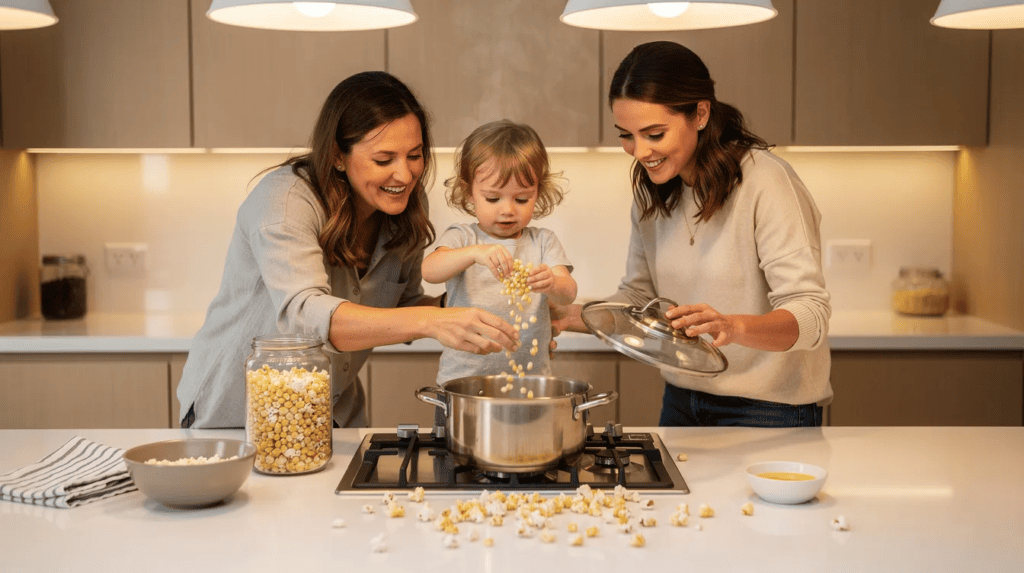
At Olde World, we believe popcorn can be part of cozy family movie nights, board games, or story evenings, not just passive screen time. Turn popcorn making into a fun activity: let kids help measure kernels, listen for the popping, and create their own flavor combinations in a small bowl. It builds awareness, skills, and connection.
Olde World’s Perspective on Simple, Traditional Snacks
Olde World does not produce or sell popcorn or packaged foods. Our focus is on traditional, enduring ways of living and gathering as a family, and snack time is part of that picture.
Think of stove-popped kernels shared during family stories, game nights, or visits from grandparents. That’s the kind of snacking we value: simple, grounded in real ingredients, and done together. Trader Joe’s offers organic apple sauce for healthy snacking, and organic snacks are often more budget-friendly than conventional options, proving you don’t need expensive specialty products to feed your kids well.
Parents don’t need elaborate, trendy snack boards. Basic pantry items like popcorn, carrot sticks, dried fruit, berries, and nuts can go a long way. Moderation and balance matter more than perfection. Popcorn is just one small piece of a wider pattern that includes regular meals, outdoor play, and shared family routines.
See snack time as a chance to slow down, connect, and serve foods that feel both comforting and grounded in simple health.
FAQ: Popcorn and Kids
Here are quick answers to the practical questions parents ask most often about popcorn and kids.
How often can kids eat popcorn as a snack?
For school-age children, plain or lightly seasoned popcorn can be part of snack time a few times per week. The key is rotation. If popcorn always replaces fresh fruit, yogurt, carrot sticks, or high-protein snacks, it may be time to scale back and rebalance. Aim for variety so kids eat a range of nutrients, textures, and flavors throughout the week. Popcorn works best as one option among several, not the only snack in the rotation.
Does microwave popcorn count as a healthy choice for kids?
Some microwave popcorn bags are heavily flavored with artificial ingredients, high sodium, and unnecessary fats, making them more of an occasional treat than an everyday healthy snack. Read ingredient labels carefully and look for options with just popcorn, oil, and salt. Better yet, make your own microwave popcorn in a plain paper bag with loose kernels. The closer microwave popcorn is to plain, air-popped styles, the more it fits into a healthy snacking routine.
Does popcorn count as a serving of whole grains for kids?
Yes. Popcorn is technically a whole grain because it includes the bran, germ, and endosperm of the kernel. However, a child’s total whole grain intake should come from multiple grains and sources like oatmeal, whole grain bread, brown rice, and quinoa. Use popcorn to help meet whole grain goals, but don’t rely on it to replace more substantial whole grain foods at meals.
Can popcorn be sent to school in lunchboxes?
Check your child’s individual school and classroom policies first. Many early-grade classrooms restrict popcorn due to choking concerns or allergy rules. If allowed, portion popcorn into small, easy-to-hold containers and skip sticky or sugary coatings. Pair a small serving with dried fruit, a cheese stick, or carrot sticks for a more complete lunchbox snack that covers multiple food groups.
Is flavored popcorn (like cheese or caramel) okay for kids?
Cheese and caramel popcorn tend to be higher in sodium, sugar, and added fats, so they belong in the occasional treat category, not the daily snack lineup. Save heavily flavored versions for family movie nights or holidays. Let kids enjoy these treats mindfully, then return to simpler, lightly seasoned popcorn as the everyday go-to. A light sprinkle of sea salt or a dash of cinnamon can add plenty of taste without the nutritional downsides.