Our Blog

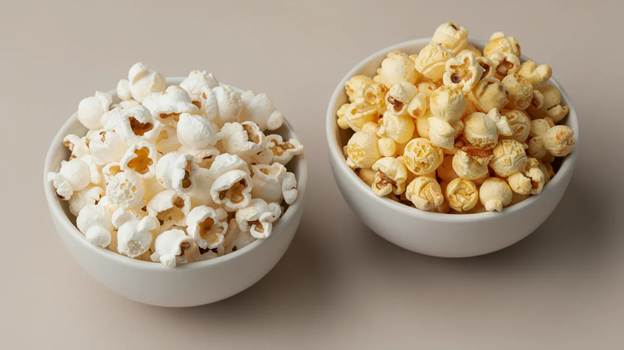
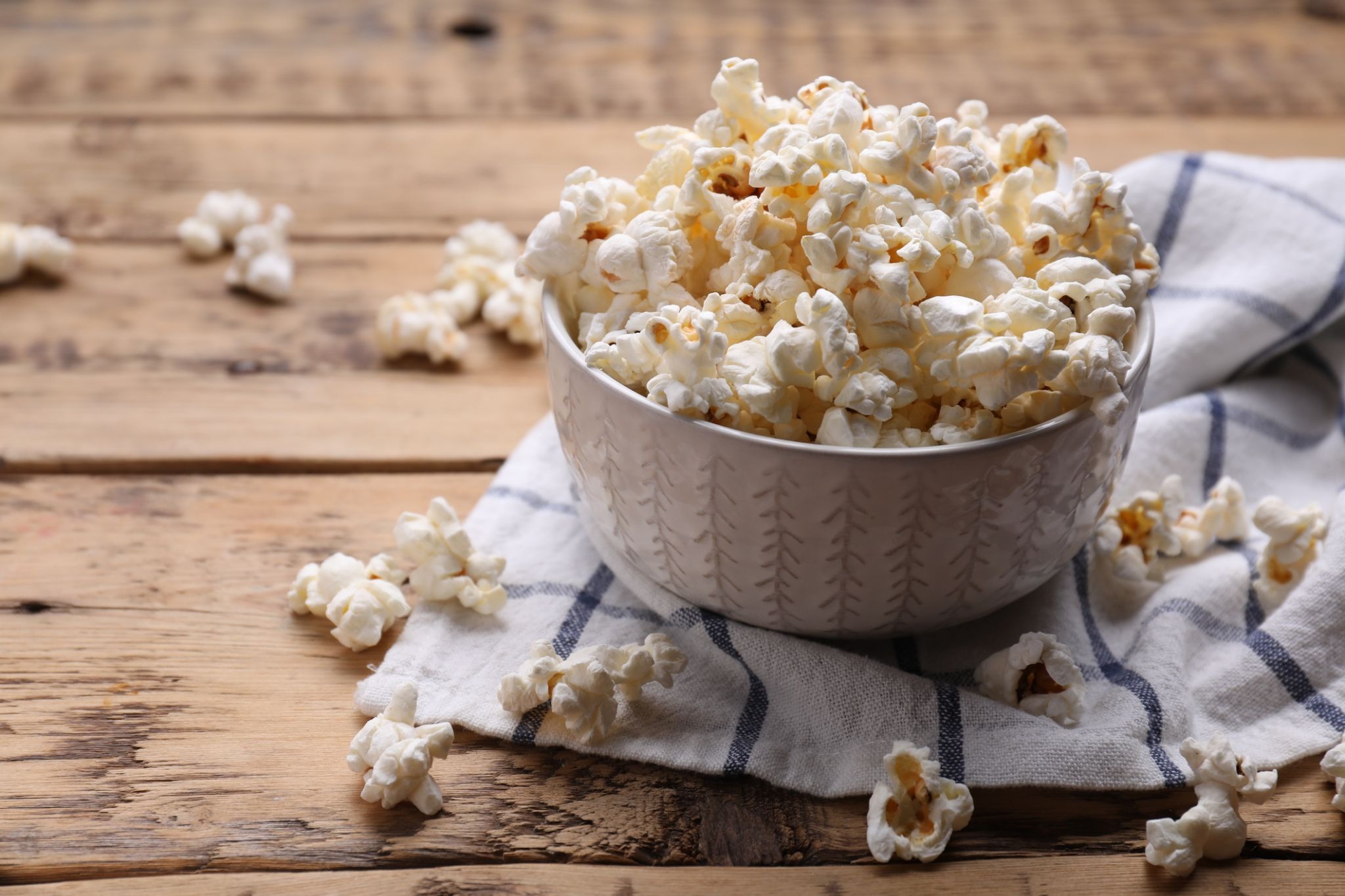
Homemade popcorn is the ultimate blank canvas for culinary creativity. While butter and salt are classics, the best popcorn seasoning ideas for 2026 lean into global spices and "Tested Clean™" organic bases. Whether you crave the smoky heat of Chipotle Lime or the savory umami of Japanese Furikake, starting with a certified organic, non-GMO kernel ensures your flavors are bright and vivid—without a chemical aftertaste. Discover how to make seasonings adhere perfectly and which kernels to choose for your favorite flavor profiles.
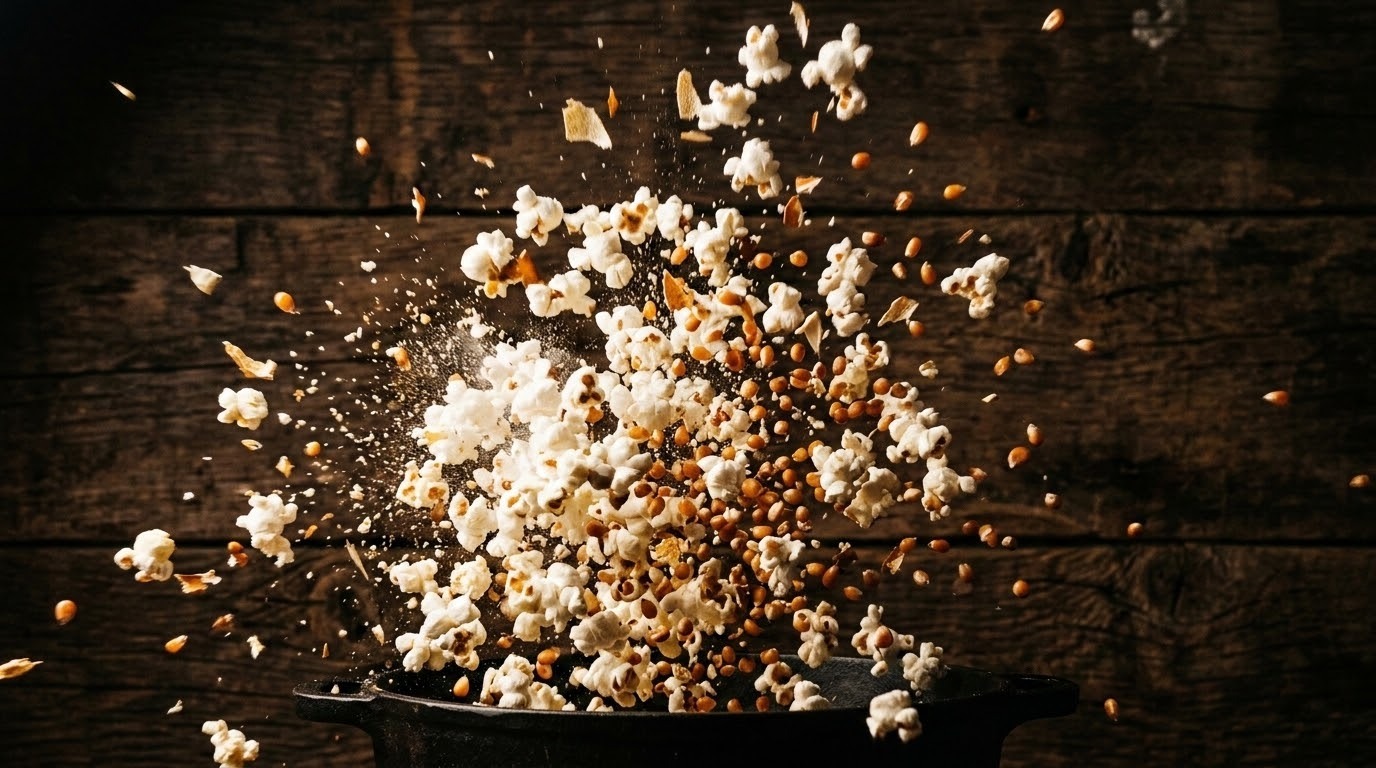
There is a distinct magic to the rapid-fire percussion of kernels hitting a pot lid. Learning how to make stovetop popcorn is a simple yet essential skill that transforms a humble organic kernel into a light, crunchy, and customizable snack. Unlike microwave bags filled with mystery additives, the best stovetop popcorn recipe uses just three pure ingredients: "Tested Clean™" kernels, a high-smoke-point oil, and sea salt. Discover the 3-kernel test, the secret to venting steam for maximum crunch, and why Wisconsin-grown organic corn makes all the difference.
Popcorn feels like a modern luxury, but the history of popcorn stretches back to 4700 BCE. Long before the first microwave bag, ancient civilizations in Peru and Mexico were popping corn over open fires, wearing it as sacred jewelry, and offering it to gods of fertility. The story of popcorn is a testament to the resilience of maize and the ingenuity of indigenous cultures. Today, at Olde World Popcorn, we honor this legacy by providing "Tested Clean™" organic kernels that taste exactly as nature intended—free from the synthetic pesticides that plague modern conventional crops.
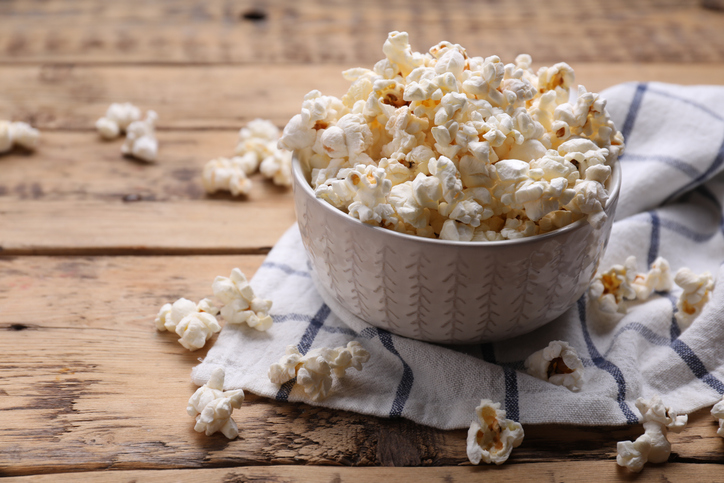
Is popcorn healthy, or is its reputation as a "guilt-free" snack just clever marketing? The short answer is yes—popcorn is a nutritional standout because it is a minimally processed whole grain, naturally high in fiber and low in calories. However, the health benefits depend entirely on preparation. While air-popped kernels support heart health and weight management, heavy butter and sugary coatings can quickly transform this superfood into a caloric nightmare. Discover how to keep your snacks nutritious without sacrificing flavor.
When it comes to your favorite whole-grain snack, the label "organic" means much more than just a price difference. Organic popcorn is grown without synthetic pesticides, glyphosate desiccation, or petroleum-based fertilizers, resulting in a cleaner kernel and a healthier ecosystem. While conventional popcorn is a common high-fiber treat, it often carries traces of synthetic compounds and artificial additives. Discover why choosing simply prepared organic kernels is the ultimate way to enjoy a "what-you-see-is-what-you-get" snack.
When consumers ask about organic food safety, they are often navigating a complex mix of chemical concerns and microbiological risks. While the organic label guarantees a restricted use of synthetic pesticides, it does not exempt food from the pathogens that affect all agricultural systems. From the "One Substance, One Assessment" shift in the EU to the nuances of USDA oversight, this guide provides the evidence-based clarity needed to understand what makes our food safe in a changing global market.
When we think of improving our digestion, we often look for quick fixes, but the real secret lies in nourishing our "second brain." The connection between buckwheat and gut health is rooted in its unique fiber profile and prebiotic properties. By providing the essential "food" your healthy gut bacteria need to thrive, buckwheat helps stabilize your microbiome, improve regularity, and even support your mental well-being through the gut-brain axis.
Behind every grocery shelf lies a growing divide: the high-efficiency, chemical-dependent world of "Big Ag" versus the regenerative, soil-first philosophy of small organic farms. The debate over industrial agriculture vs organic is about more than just labels; it’s a struggle for food sovereignty, environmental resilience, and community health. Explore how your food choices impact everything from the global carbon footprint to the survival of the independent family farm.