If you have ever wondered whether that bowl of popcorn is helping or hurting your diet, you are not alone. Popcorn and weight loss have become inseparable topics for people looking to eat smarter without giving up satisfying snacks. The good news: when prepared correctly, popcorn is one of the most practical tools you can add to your snacking rotation.
Key Takeaways
- Air-popped popcorn has less than 100 calories in 3 cups, making it a low-calorie, high-volume whole grain snack that fits comfortably into a weight loss plan.
- Popcorn is a healthy snack only when prepared with minimal oil, butter, and salt. Movie theater popcorn and heavily buttered microwave bags can easily exceed 1,000 calories and work against your goals.
- A standard serving of about 3 cups of air-popped popcorn delivers roughly 3.5 grams of fiber and enough volume to help you feel satisfied between meals.
- Popcorn works best alongside other healthy snack ideas like cottage cheese with fruit, cucumber slices, cherry tomatoes with hummus, roasted chickpeas, and apple slices with nut butter.
How Popcorn Fits into a Weight Loss Plan
In 2026, more people than ever want snacks that feel indulgent but still support weight loss. Popcorn sits near the top of that list for a simple reason: it has low energy density, meaning you get a large, filling portion for very few calories.
Three cups of plain air popped popcorn clock in around 90 to 100 calories. Compare that to a small handful of potato chips, which can deliver 150 to 200 calories or more in a fraction of the volume. Popcorn expands in your stomach due to its high fiber and low energy density, and volume-eating-maximizing food volume for fewer calories is exactly why popcorn works so well. It is a whole grain, it has fiber that slows digestion, and it gives your jaw something crunchy to work on.
But context matters. When popcorn is drowned in butter, oil, or salt, it stops being a diet-friendly snack and starts acting like junk food. At Olde World, we focus on practical, sustainable habits rather than extreme dieting trends, and popcorn fits that philosophy perfectly when kept simple.
The Nutrition Basics of Popcorn
Understanding what is actually in popcorn helps explain why it can support weight loss. Popcorn is a whole grain, which means the kernel’s hull, starchy interior, and germ remain intact. That structure delivers more nutrients and fiber than refined grains or sugary snacks.
Here is a rough macro breakdown for a 3-cup serving of plain air-popped popcorn:
- Calories: ~93 kcal
- Protein: ~3 g
- Carbohydrates: ~19 g
- Fiber: ~3.5–4 g
- Fat: ~1 g
Air-popped popcorn contains about 4% water and 78% carbohydrates. Per 100 grams, it provides 12 grams of protein and 15% dietary fiber, making popped corn more nutrient-dense than many people realize. Popcorn is also a rich source of manganese, providing 36–45% of the daily value, along with essential nutrients including potassium and B vitamins like thiamin and niacin. Minerals such as magnesium, phosphorus, and zinc round out the profile.
Fiber is the star here. Popcorn contains about 4 grams of fiber per 3-cup serving, aiding digestion by adding bulk and slowing gastric emptying. That slower digestion helps control appetite, reduces blood sugar spikes, and can cut the urge to overeat at the next meal. Popcorn is a whole grain that helps stabilize blood sugar levels, which is a meaningful advantage over refined, sugary snacks that cause rapid energy crashes.
Popcorn for Weight Loss: Benefits and Limitations
Popcorn can be both a weight loss ally and a hidden calorie trap. It depends entirely on how it is made and how much you eat.
Key benefits:
- Popcorn is high in fiber, promoting fullness and reducing snacking between meals. High-fiber foods like popcorn can reduce the urge to snack by keeping you satisfied for a few hours after eating.
- A 2012 study published in Nutrition Journal found that participants who ate six cups of low-fat popcorn experienced greater reductions in hunger than those who ate potato chips for the same calorie count.
- Popcorn can be a satisfying snack when prepared without excess fat, and its whole-grain status is linked to reduced risk of heart disease and improved digestive health.
- Polyphenols in popcorn are antioxidants linked to better blood circulation, adding another reason to keep this snack in your rotation for overall health.
Limitations to watch:
- Popcorn is light and easy to overconsume, necessitating measured servings, especially during screen time.
- Toppings like butter, cheese powders, caramel, and large amounts of added sugar can turn a 100-calorie snack into a 500-calorie problem.
- Excess salt and sodium can increase water retention and cravings.
- Portion control is crucial to avoid weight gain from snacks, even healthy ones.
Popcorn should be one part of a balanced eating pattern that includes protein, healthy fats, and plenty of vegetables and fruits, not the only snack you rely on. Pre-portioning into bowls instead of eating directly from the bag helps prevent mindless overeating.
Best Types of Popcorn for Weight Loss
Not all popcorn varieties are equal. Preparation method matters far more than the corn kernels themselves.
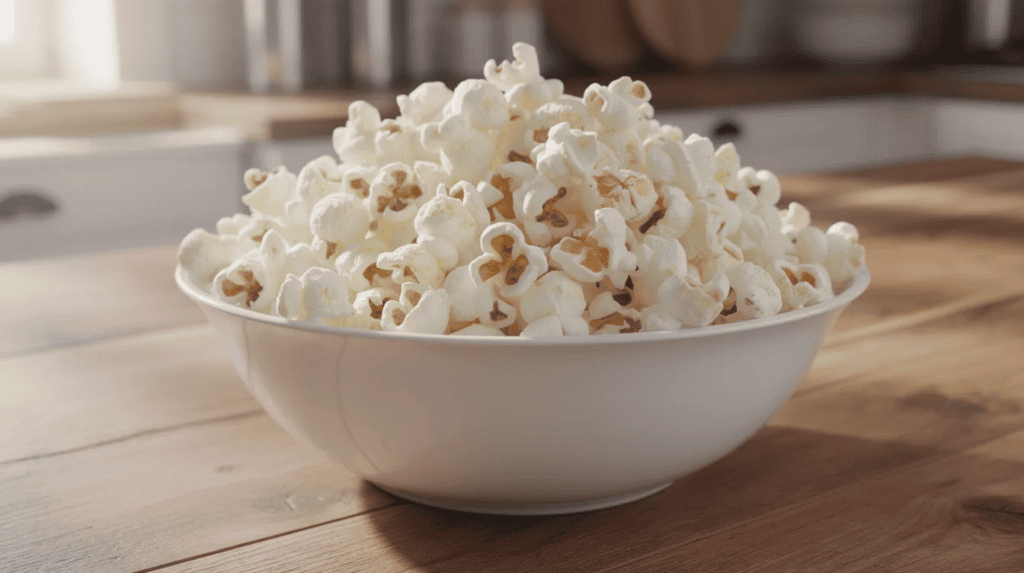
Air-popped popcorn is the healthiest preparation method and the gold standard for weight loss. No oil is involved during popping, so a 3-cup serving of air-popped popcorn has less than 100 calories. It is easy to flavor with fresh herbs and spices after popping, and avoiding high-calorie additives is important for keeping it diet-friendly.
Stove-top popcorn made with a measured amount of olive oil or avocado oil is another solid option. One tablespoon of oil adds about 120 calories, so keeping it to a teaspoon or less per batch helps. The oil adds a slightly richer flavor and helps seasonings stick.
Microwave popcorn covers a wide range. Some brands have reduced artificial flavorings, sodium, and saturated fat in recent years, but many bags still contain excessive oil and additives. Always check the label for calories per serving and the number of servings per bag. Many popcorn packs list three servings for a bag, but most people eat it all in one sitting.
Movie theater popcorn is the worst case for weight loss. A large buttered bucket can reach 1,000 to 1,500 calories before extra butter topping, with large amounts of saturated fat and sodium. That single snack can account for more than half of many adults’ daily calorie needs.
Healthy Popcorn Toppings and Portion Control
Toppings and portion size ultimately decide whether popcorn stays a healthy snack or becomes a source of health problems.
Low-calorie savory topping ideas:
- Sea salt and smoked paprika
- Garlic powder and chili powder
- Nutritional yeast for a cheese-like flavor, without real cheese, adds flavor and protein to popcorn
- Bagel seasoning for a savory, everything-bagel twist
- A sprinkle of fresh herbs or a light drizzle of balsamic vinegar
Sweet options without the sugar bomb:
- Cinnamon and zero-calorie sweeteners can create sweet popcorn without added sugar
- A dusting of cocoa powder for a chocolate-adjacent treat
- A mixture of cinnamon and a pinch of dried fruit pieces for natural sweetness
Healthy popcorn can be flavored with olive oil or nutritional yeast. If you need oil to help spices stick, use a light mist. Oil is calorie-dense at 9 calories per gram, so measuring matters. Proper seasoning without excessive fat helps maintain popcorn as a diet-friendly snack.
A standard serving of popped popcorn is 3–4 cups, roughly 1 ounce. For most adults pursuing weight loss, 2 to 4 cups per snack is the right range, depending on daily calorie needs. Portion control is crucial for keeping popcorn weight-loss friendly. Using herbs and spices can enhance the flavor of plain air-popped popcorn without adding calories, so reach for the spice rack before the butter dish.
Use a measuring cup or a dedicated popcorn bowl to avoid the constant-refill trap.
Balancing Popcorn with Other Healthy Snack Ideas
Relying only on popcorn can leave gaps in protein and certain vitamins, so variety is essential for both weight loss and long-term, nutritious eating.
Here are healthy snack ideas that complement popcorn across the week:
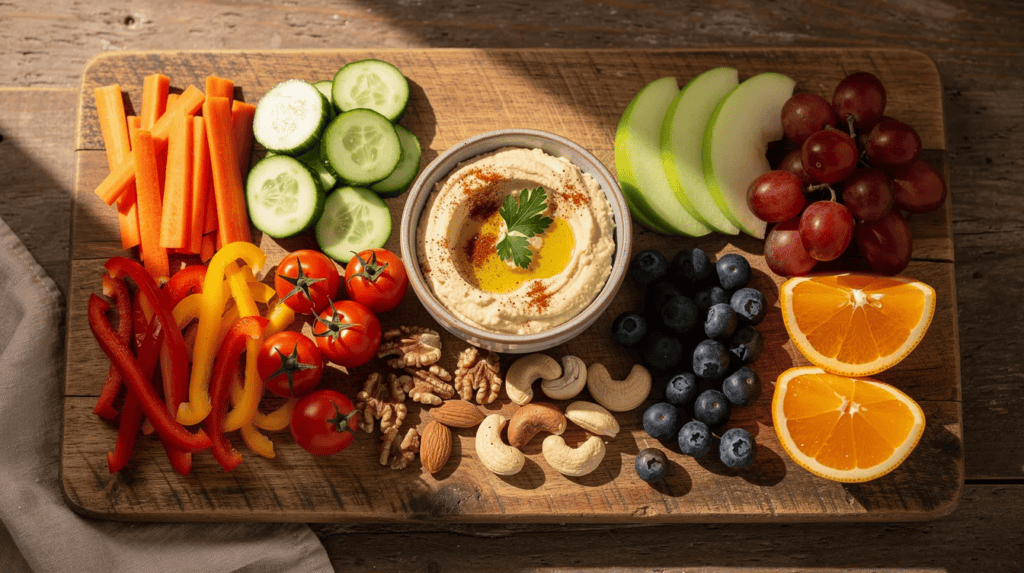
- Cottage cheese with fruit: Cottage cheese contains 25 grams of protein per cup. Pair it with berries, pineapple, or a sprinkle of chia seeds for a filling, protein-rich snack.
- Cucumber slices and cherry tomatoes with hummus: Sliced cucumbers and cherry tomatoes are low-calorie, high-volume foods that deliver more nutrients and a satisfying crunch. Add a bean dip or hummus for staying power.
- Roasted chickpeas: Chickpeas are a source of fiber and plant-based protein, making them a crunchy alternative when you want something different from popcorn but still want that satisfying crunch.
- Apple slices with nut butter: Apples are a fiber-rich fruit for healthy snacking. A thin smear of nut butter adds healthy fats and keeps you full longer.
- Celery sticks with cream cheese: Celery sticks with cream cheese provide roughly 100 calories, giving you a light, savory option.
- Edamame: Edamame offers 18 grams of protein per cup, making it one of the most protein-dense snack choices available.
- Yogurt or a handful of nuts for quick protein and healthy fats.
- Hard-boiled eggs, whole grain crackers with dip, or a glass of milk for more structured snacking.
You can also consider adding protein powder to a smoothie with fruits on days when you need something more substantial than a bowl of grains and vegetables.
How to Build a Daily Snacking Routine that Supports Weight Loss
When and how often you eat matters almost as much as what you eat.
Set planned snack times. Scheduling a mid-afternoon and early evening snack prevents constant grazing and keeps total daily calories predictable. Eating popcorn as a planned snack rather than mindless munching tends to be more satisfying and controlled.
Pair popcorn with protein. A few nuts, a piece of cheese, a spoonful of cottage cheese, or a hard-boiled egg alongside your popcorn can slow digestion and reduce late-night cravings. Bread with a thin spread or a side of vegetables works too.
Keep go-to snacks ready. Pre-portioned popcorn, cut veggies, roasted chickpeas, fruits, and eggs should be within easy reach. When nutritious options are more convenient than junk food, better choices happen naturally.
Consistent, moderate habits usually outperform rigid rules or banning all fun foods. The goal is to build a diet and meal structure that you can sustain for months, not just weeks. Popcorn as a regular snack fits that model perfectly because it is inexpensive, fast to prepare, and genuinely enjoyable.
FAQ: Popcorn and Weight Loss
Can I eat popcorn every day and still lose weight?
Yes. Daily popcorn can fit into a weight loss plan if it is air popped or lightly oiled, kept to a moderate portion of 2 to 4 cups, and counted within your total calorie target. The risk comes when popcorn crowds out more nutrient-dense foods like vegetables, fruit, lean protein, and healthy fats. Varying your snacks across the week, rotating between popcorn, cottage cheese, roasted chickpeas, and other options, ensures you get a broader range of minerals, vitamins, and protein without monotony.
Is microwave popcorn bad for weight loss?
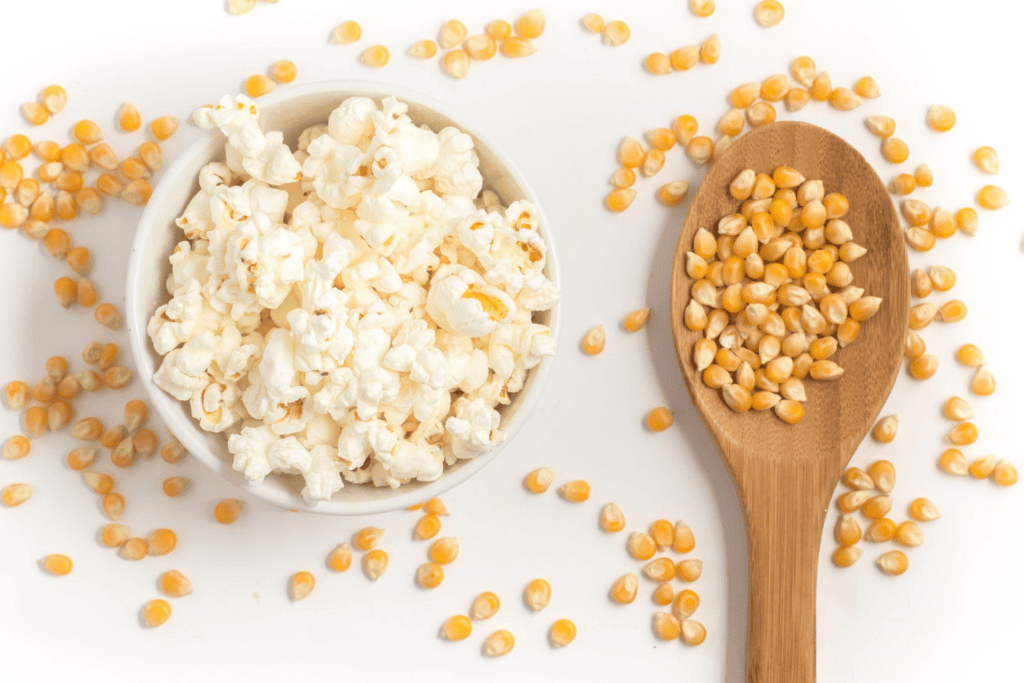
Not automatically. Microwave popcorn covers a wide range of products. Some light, low-sodium versions can work fine for weight loss, while buttery, flavored bags are often very high in calories, sodium, and sometimes artificial flavorings. Check labels for calories per serving, number of servings per bag, type of oil used, and sodium content. A simpler alternative: place plain corn kernels in a microwave-safe bowl with a plate on top. You get freshly popped popcorn without any additives at all.
Is popcorn at night okay if I am trying to lose weight?
Timing is less important than total daily calorie intake and portion control. A small bowl of plain popcorn in the evening is compatible with weight loss. The real danger is mindless eating during screen time, which can lead to overeating without noticing. Portion your popcorn before sitting down, avoid refills, and you can enjoy a nighttime snack without risk of weight gain.
What should I eat with popcorn to make it more filling for weight loss?
Pair popcorn with a source of protein such as a small serving of cottage cheese, a yogurt cup, roasted chickpeas, or a hard-boiled egg. Adding low-calorie vegetables like cucumber slices or cherry tomatoes on the side increases volume and helps you feel satisfied without many extra calories. Avoid pairing popcorn with sugary drinks, candy, or large amounts of dried fruit, which add calories without improving fullness.
Is popcorn really healthier than chips?
When air-popped and lightly seasoned, popcorn usually has fewer calories per cup and more fiber than most potato chips or corn chips. Chips are often fried in oil and can be very calorie-dense-a small handful may deliver double the calories of three cups of popcorn. A study comparing the two found popcorn delivered greater satiety per calorie. That said, both foods can become unhealthy if portion sizes grow large or toppings add excessive fat, salt, or sugar. The advantage popcorn holds is its fiber content and the sheer volume you get per calorie, which makes it more filling per serving.