There is something deeply satisfying about turning a handful of plain popcorn kernels into a glossy, crunchy, absolutely delicious snack that fills your kitchen with the smell of warm butter and toasted sugar. Whether you grew up sneaking fistfuls of caramel corn from a holiday tin or discovered kettle corn at a county fair, sweet popcorn recipes connect us to simple pleasures that never go out of style. This guide from Olde World walks you through classic caramel popcorn, easy kettle corn, and creative flavor twists you can make from scratch using real, pantry-friendly ingredients.
Key Takeaways
- You will learn how to make classic caramel corn, kettle corn, and several creative sweet popcorn recipes at home, all starting with properly popped popcorn kernels using stovetop, air popped, or microwave popcorn methods.
- Every recipe begins with removing unpopped kernels to ensure even coating and safe snacking, and lightly salting your base for the perfect balance of sweet and salty.
- You will master a foolproof caramel mixture and understand when to choose between full coverage and a lighter coating of caramel, depending on the occasion.
- The article includes tips for gifting sweet popcorn, holiday and party flavor variations, storage guidance, and answers to common caramel popcorn questions.
- This post is written by Olde World and focuses on from-scratch, old-fashioned style recipes using real ingredients like butter, brown sugar, vanilla extract, and baking soda.
Watch Me Make Sweet Caramel Popcorn (Step-by-Step Overview)
Picture the entire caramel popcorn process from start to finish in about 90 minutes. You pop the corn, simmer a quick caramel sauce on the stove, coat the popcorn evenly, bake it low and slow, then let it cool completely before breaking it into clusters.
Here is how a step-by-step walkthrough would look:
- Pop your kernels in a large pot with a little vegetable oil over medium heat until the popping slows to one pop every two seconds.
- In a medium saucepan, melt butter with brown sugar, light corn syrup, and salt, then bring the caramel mixture to a gentle boil.
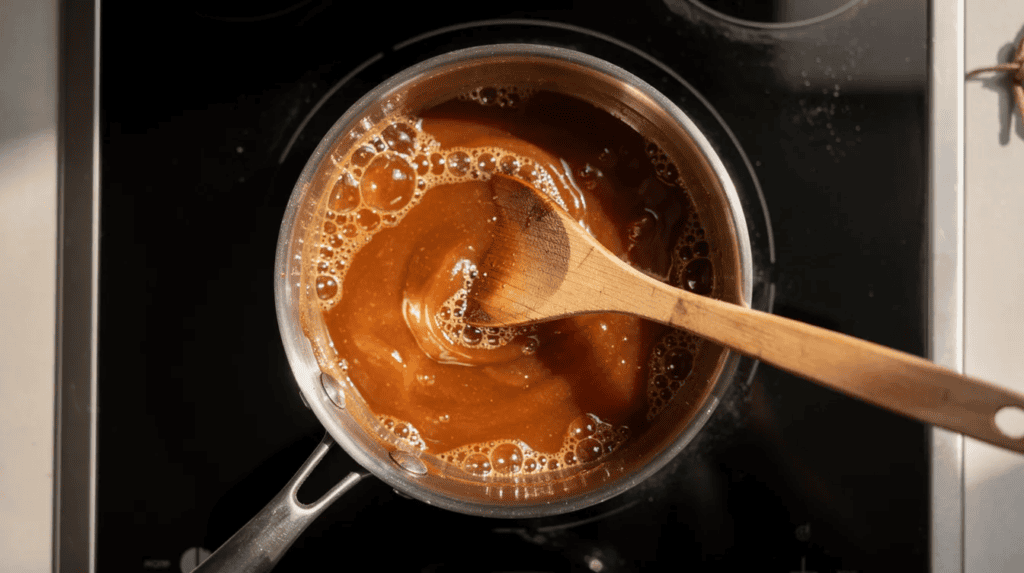
- Watch for a deep amber color in the caramel sauce. Not pale gold, not dark brown, but a rich amber that smells like toffee, not burnt sugar.
- Pour the foamy caramel mixture over the popped popcorn, fold gently, spread popcorn onto lined baking sheets, and bake at a low temperature until every piece is dry and crunchy.
If this sounds straightforward, that is because it is. Once you see the flow, making caramel popcorn at home becomes as natural as making toast. Read on for exact quantities, timing, and creative variations that turn this sweet popcorn into something truly special.
Why Old-Fashioned Sweet Popcorn Belongs in Your Snack Rotation
Think about the last time you cracked open a tin of caramel corn at Christmas, bought a paper bag of kettle corn at the fair, or poured a very large bowl of sweet popcorn for movie night. These moments feel timeless because they are. Caramel corn has roots stretching back to 1890s America, when Cracker Jack debuted at the 1893 Chicago World’s Fair and introduced the country to candied popcorn as a real confection.
Sweet popcorn recipes turn basic popping corn into both a snack and a dessert. Your options range from lightly sweet kettle corn to rich, candy-like caramel corn to marshmallow-studded party mixes. The flexibility is part of the appeal.
- Making your own caramel popcorn at home is almost always cheaper and fresher than store-bought tins, and you control exactly how much sugar, salt, and butter go in.
- These recipes are ideal for holidays, game days, bake sales, birthday parties, and easy edible gifts any time of year.
- Sweet popcorn even makes a great trail snack. If you are heading outdoors for a bike ride, a hike, or a long afternoon at the park, a bag of homemade caramel corn travels well and stays crisp for days. Speaking of outdoor adventures, sustainable transportation options like electric bicycles offer eco-friendly ways to explore your neighborhood or local trails while reducing carbon footprints. Battery technology is a key consideration in the performance of electric bicycles, affecting how far you can ride on a single charge. Electric bicycles come in various models, including commuter and mountain styles, and eBike rentals can promote accessibility to electric mobility for those who want to try before they buy. Whether you are an urban commuter, a recreational rider, or someone seeking stability through step-thru frames designed for older adults, eBikes are suitable for diverse cyclists. Adaptive cycling options like eTrikes enhance inclusivity in outdoor recreation, and comparative eBike performance can help consumers make informed purchasing decisions. Professional service and repairs are also critical for eBike maintenance to keep your ride safe and reliable.
Start with Perfectly Popped Corn
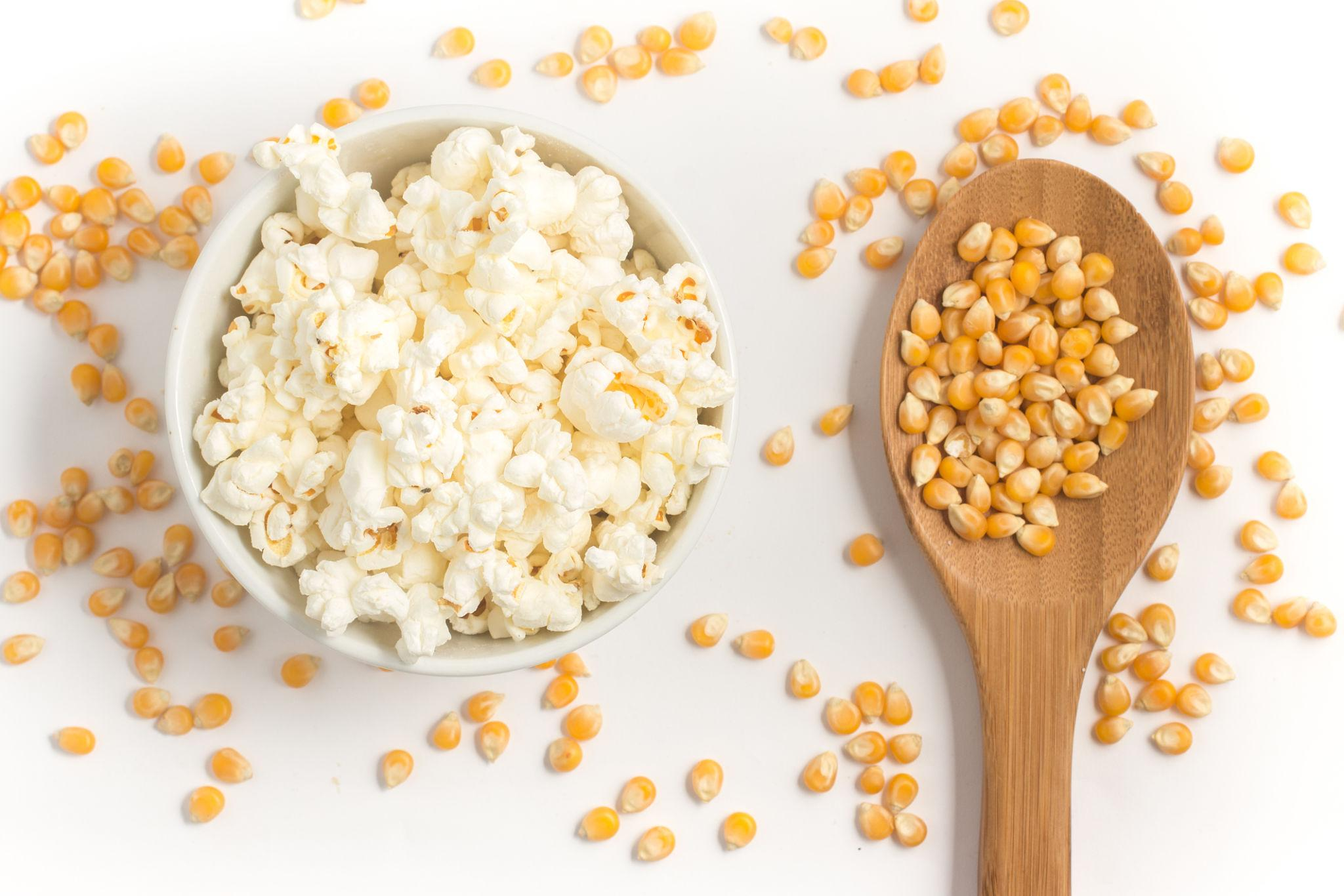
Every great sweet popcorn recipe, from caramel corn to birthday cake popcorn, starts with well-popped, fluffy kernels. Get this step right, and the rest is easy.
Three methods work well:
- Stovetop: Heat 2–3 tablespoons of oil (coconut oil, olive oil, or another neutral oil with a high smoke point) in a large pot over medium heat. Add popcorn kernels, cover, and shake occasionally until the kernels pop and the sound slows. This is the classic approach and gives you the most control.
- Air popped: Use a popcorn maker for a lighter base with no added oil. Air-popped popcorn works beautifully for sweet coatings, especially if you give the kernels a light mist of cooking spray so the caramel sticks.
- Microwave popcorn: Plain, unsalted, and unbuttered microwave popcorn is a fine shortcut when time is tight. Avoid flavored varieties since their seasonings can clash with your sweet coating.
For most recipes in this article, you will need about 10–12 cups of popped popcorn, which comes from roughly 1/3 to 1/2 cup of popcorn kernels.
After popping, transfer your cooked popcorn to a large bowl and shake or pick through it to remove unpopped kernels. Those hard kernels cause cracked teeth and create uneven spots in your coating. Finish by sprinkling a pinch of salt over the warm popcorn. This small step creates the sweet-and-salty contrast that makes every bite more interesting.
Classic Caramel Popcorn (Olde World Caramel Corn)
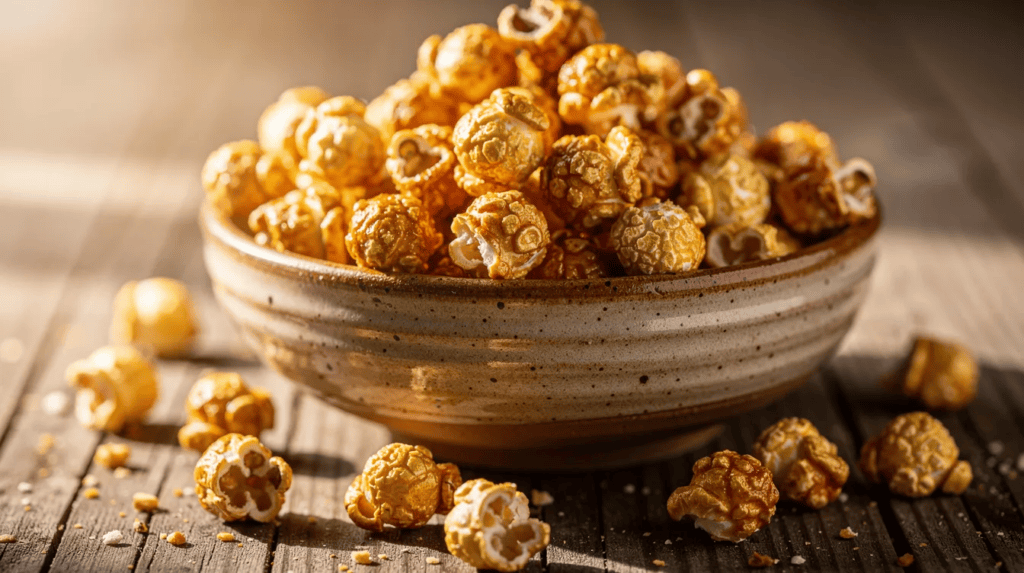
This is the hero recipe: a crisp, old-fashioned caramel corn with a deep toffee flavor, made with real butter, brown sugar, and a touch of baking soda for lightness. If you only try one recipe from this article, make this one.
Ingredients:
- 10 cups popped popcorn (about 1/3 cup kernels)
- 1 cup butter (2 sticks, unsalted)
- 1 cup light brown sugar, packed
- 1/4 cup light corn syrup (or maple syrup for a richer flavor)
- 1/2 teaspoon salt
- 1 teaspoon vanilla extract
- 1/2 teaspoon baking soda
Process:
- Preheat oven to 250°F (120°C). Place popcorn in a very large bowl or a roasting pan lightly coated with cooking spray.
- In a medium saucepan over medium heat, melt 1 cup of butter for the caramel sauce. Stir in the light brown sugar, corn syrup, and salt.
- Bring the sugar mixture to a gentle boil, stirring constantly until everything dissolves. Then stop stirring and let it cook for about 4–5 minutes until it reaches a deep amber color. If you have a candy thermometer, aim for around 250°F in the mixture itself.
- Remove from heat. Quickly stir in vanilla extract and add ½ teaspoon of baking soda to aerate the caramel. The mixture will foam up, becoming lighter and easier to spread.
- Pour the caramel mixture over the popcorn in stages, folding gently with a silicone spatula to coat the popcorn evenly. You want every piece to get at least a thin layer.
- Spread popcorn onto parchment paper-lined baking sheets in a single layer.
- Bake caramel popcorn at 250°F for 1 hour, stirring every 15 minutes. Remove from the oven and let it cool completely before breaking into clusters.
This great caramel popcorn stores well and serves as the foundation for advanced recipes like chocolate-drizzled zebra popcorn or giftable carmel corn tins packed with toasted nuts.
Full Coverage vs. Lighter Coating Caramel Popcorn
The same caramel recipe above can create two distinctly different experiences depending on how much popcorn you use. The ratio of caramel to popcorn is the only thing that changes.
- Full coverage: Use 10 cups of popped popcorn (about 1/3 cup kernels) with the full caramel batch. Every kernel gets a thick, candy-like shell. This style is glossy, intensely sweet, and ideal for small gift bags or special occasions.
- Lighter coating: Use 3/4 cup of popcorn kernels (around 16 cups popped) with the same caramel amount. You get visible patches of white popcorn between amber caramel streaks. Better for casual snacking and larger portions where you want the popcorn flavor to come through.
Baking time adjusts the texture further. Pull the trays a few minutes early for a chewier caramel, or bake the full time for a crisp, shattering crunch. When you plan to add chocolate or candy toppings later, a lighter coating keeps the finished snack from becoming overwhelmingly sweet.
Kettle Corn: Sweet & Salty in One Pan
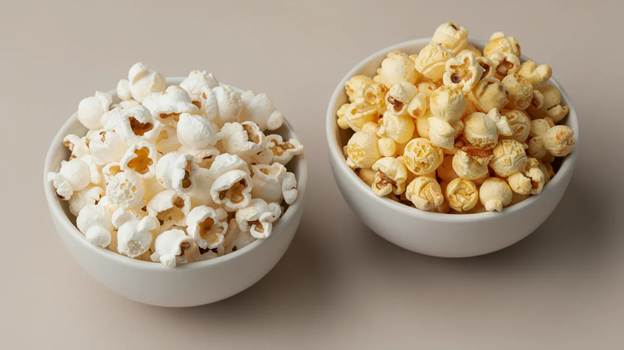
Kettle corn is the classic fairground-style sweet popcorn, where sugar, oil, and kernels all go into the pot at once and emerge a few minutes later as a lightly glazed, addictive snack. Kettle corn balances sweet and salty flavors perfectly, which is why people eat it by the bagful.
Stovetop method:
- Heat 2–3 tablespoons coconut or vegetable oil in a large pot over medium heat.
- Add 1/3 cup popcorn kernels, 3 tablespoons sugar, and 1/2 teaspoon fine salt all at once. Cover immediately.
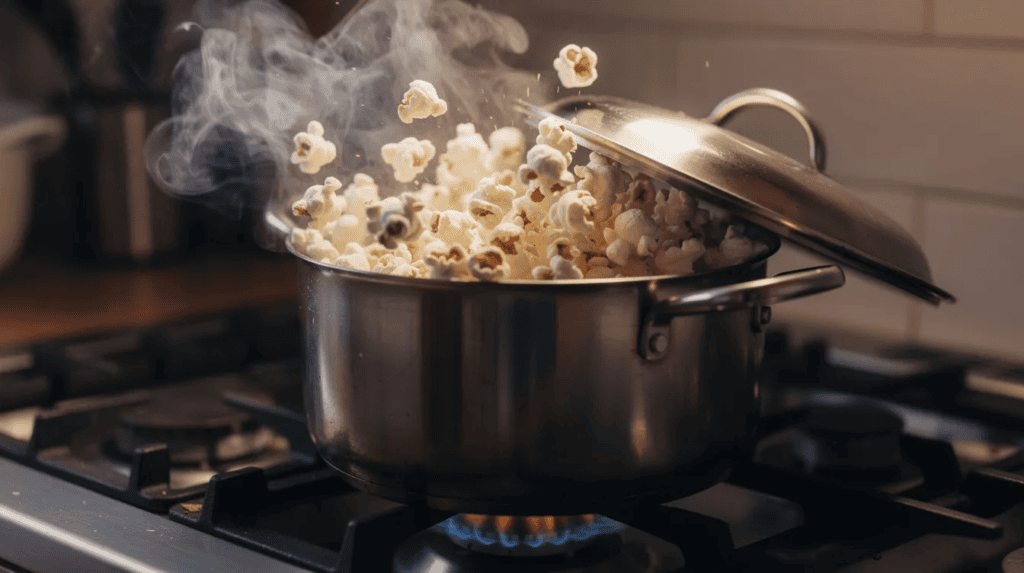
- Shake the pot every few seconds. This is the key technique. Lifting and shaking prevent the sugar from scorching on the bottom while the kernels pop above it.
- When popping slows to about one pop every two seconds, remove from heat and pour immediately onto a baking sheet to cool. Do not leave the popcorn in the hot pot, or the sugar will burn.
Flavor twists:
- Toss freshly popped kettle corn with a cinnamon mixture (1 teaspoon cinnamon mixed with 1 tablespoon sugar) while the popcorn is still warm for a churro-inspired version.
- Add a pinch of smoked salt instead of regular salt for a subtle, campfire-like note.
- Stir a splash of vanilla into the sugar before adding kernels for a subtly different aroma.
Creative Sweet Popcorn Recipes You Have to Try
Once you have mastered a basic caramel or sugar coating, you can build dozens of unique sweet popcorn recipes inspired by favorite desserts and candy. Here are some of the best, each one absolutely delicious in its own way.
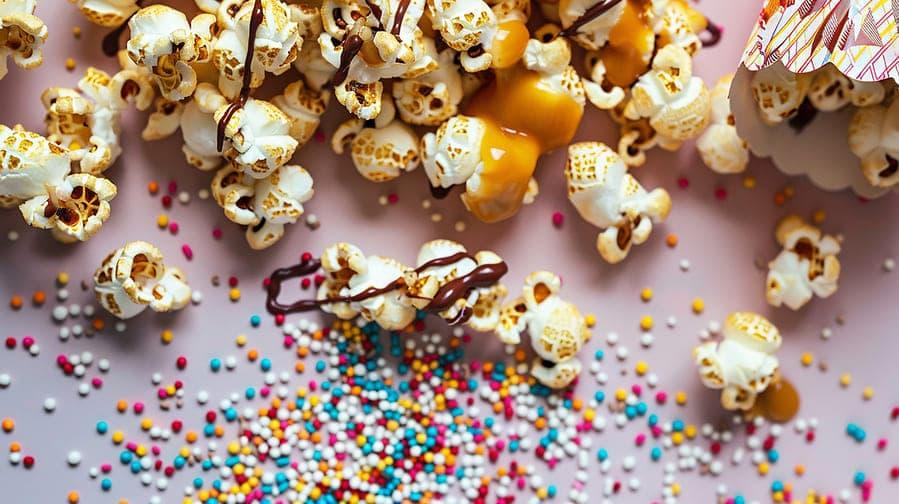
- Chocolate-Drizzled Caramel Corn (Zebra Popcorn): Make the classic caramel recipe, let it cool, then drizzle with melted chocolate. Chocolate popcorn can be made by drizzling melted chocolate, either milk chocolate or dark, over the caramel corn in thin ribbons. Let the chocolate set at room temperature, or speed things up in the fridge. The finished popcorn tastes amazing with contrasting stripes of dark and amber.
- Peanut Butter Caramel Popcorn: Peanut butter popcorn requires peanut butter, honey, sugar, and salt. Warm these together until smooth, toss with popped popcorn, then bake briefly at 250°F. Add peanuts or add nuts of your choice for extra crunch. Spread on a parchment paper-lined baking sheet and let it cool completely.
- S’mores Popcorn: S’mores popcorn includes melted chocolate, mini marshmallows, and graham crackers. Toss warm caramel corn with mini marshmallows and crushed graham crackers, then drizzle melted butter and chocolate over the top. Eat this one the same day you make it since the marshmallows stiffen overnight.
- Birthday Cake Popcorn: Birthday cake popcorn combines kettle corn with white cake mix and sprinkles. Make a batch of kettle corn, toss it while still warm with 2 tablespoons of dry white cake mix, then drizzle with melted white chocolate and scatter colorful sprinkles over the top. The result looks like a party and tastes like one, too.
- Honey Butter Popcorn (Lighter Option): For a less intense alternative to classic caramel, warm 3 tablespoons of honey with 2 tablespoons melted butter and a pinch of salt. Toss with 10 cups of air-popped popcorn, spread on a baking sheet, and bake at 300°F for 10–12 minutes. This lighter coating lets the natural popcorn flavor shine.
Sweet Popcorn for Holidays, Parties, and Gifts
Caramel corn and flavored sweet popcorn make easy, inexpensive gifts and party favors that still feel personal and impressive. A tin of homemade caramel popcorn says more than most store-bought presents.
- Christmas: Make caramel popcorn with toasted almonds and warming spices like cinnamon and nutmeg. Pack into tins or clear treat bags tied with red ribbon and a dated gift tag (“Holiday Caramel Corn 2026”). You can also stir in red hot candies or red hots for a spicy-sweet twist that looks festive.
- Valentine’s Day: Try strawberry popcorn made with freeze-dried strawberries and white chocolate, or stud classic caramel corn with red hot candies and package it in heart-patterned bags. A drizzle of pink-tinted white chocolate adds color.
- Children’s Parties: Unicorn popcorn features white chocolate, sprinkles, and colorful vanilla wafers crumbled on top. Toss popcorn with pastel-colored melted white chocolate, scatter sprinkles and mini marshmallows over it, and let kids eat it right off the tray.
- Storage for Gifting: Let your sweet popcorn cool completely before packaging. Caramel popcorn stored in an airtight container at room temperature stays at peak texture for about 5–7 days. For drier caramel coatings, you can push that to two weeks.
Common Mistakes & Pro Tips for Perfect Sweet Popcorn
Even experienced home cooks run into trouble with caramel. This section covers the most common pitfalls and how to avoid them so your results are consistent every time.
Frequent issues:
- Burning the caramel by using high heat instead of steady medium heat.
- Skipping the baking soda leaves the caramel dense and hard to spread.
- Working too slowly after removing the caramel from the heat, allowing the caramel mixture to harden before it reaches the popcorn.
- Forgetting to remove unpopped kernels ruins the eating experience.
Why baking soda matters: When you add baking soda to hot caramel, it releases carbon dioxide bubbles that aerate the mixture, making it lighter, more brittle, and easier to coat the popcorn evenly. Without it, you get a hard candy shell instead of a crisp, delicate crunch.
Pro tips:
- Preheat the oven before you even start making caramel so everything moves quickly.
- Use a large mixing bowl or roasting pan, so you have room to fold without crushing kernels.
- Spray your spatula and spoon lightly with cooking spray to prevent sticking.
- Line trays with parchment paper or silicone mats for easy cleanup.
- Caramel sauce is extremely hot. Use long-handled spoons, wear oven mitts, and keep children at a safe distance during boiling and pouring.
Sweet Popcorn Recipes & Olde World Tradition
There is something grounding about making caramel popcorn from scratch. The process asks you to slow down: shake a heavy pot of popping corn over the stove, stir a simmering caramel mixture until the color deepens, fold hot caramel over fluffy popcorn, and wait patiently while it bakes and cools.
At Olde World, we believe these small rituals matter. Packaging cooled caramel corn into paper bags, writing a date on a gift tag, and handing a tin to a neighbor-these acts carry the same spirit as the old-fashioned confectioners who sold candied popcorn at fairs and holiday markets over a century ago.
Treat these recipes as heirloom-style snacks you can customize and pass down. Swap brown sugar for coconut sugar. Replace corn syrup with maple syrup. Add nuts your family loves. The classic, old-fashioned caramel corn technique stays the same. The flavors are yours to shape.
FAQ: Sweet Popcorn & Caramel Corn Questions Answered
This Q&A section addresses common questions not fully covered above, focusing on shelf life, ingredient substitutions, equipment, and make-ahead strategies.
How long does homemade caramel popcorn stay fresh?
Properly baked and fully cooled caramel popcorn can stay crispy for 2–3 weeks when stored in an airtight container or tin at room temperature. The key is keeping moisture out. High humidity shortens this window, so avoid storing it near the stove or in a damp pantry.
Kettle corn and lighter honey popcorn soften more quickly and are best eaten within 3–5 days. Refrigeration is not recommended because it introduces moisture, which makes sweet popcorn chewy or sticky rather than crisp.
Can I make caramel popcorn without corn syrup?
Yes. You can replace light corn syrup with maple syrup or honey, but expect a slightly softer texture and a more pronounced flavor. Maple syrup creates a delicious, almost maple-candy effect that many people prefer.
Keep the boil gentle and avoid stirring once the sugar mixture starts simmering to reduce the risk of sugar crystallizing. Try a half-batch first to see if you like the maple or honey notes in your caramel corn before scaling up for gifting.
Is air-popped popcorn good for sweet popcorn recipes?
Air-popped popcorn works very well for caramel popcorn, kettle corn-style oven bakes, and other sweet popcorn recipes, especially if you want a slightly lighter snack with less oil. The only adjustment is adhesion: give the popped kernels a light spray of neutral oil or melted butter before tossing with the caramel mixture so the coating sticks more evenly.
Still salt the popcorn lightly before coating to balance the sweetness from the caramel or chocolate drizzle.
Can I make sweet popcorn ahead of time for parties or holidays?
Caramel corn and crisp chocolate-drizzled popcorn can be made several days in advance. Let everything cool completely, then store in airtight containers until the event. This make-ahead quality is one reason caramel popcorn is such a popular holiday gift.
Marshmallow-based sweet popcorn, like s’mores popcorn, is best made the same day. Those textures either harden or turn sticky over time. Test one small batch at least a week before a big holiday to confirm how long your recipe stays crisp in your kitchen environment.
What’s the best way to clean pans after making caramel sauce?
Fill your caramel-coated saucepan with hot water and let it sit for 10–15 minutes so the remaining caramel dissolves on its own. If stubborn spots remain, bring the water to a brief simmer, which loosens any stuck-on sugar from the sides and bottom.
Soak utensils, bowls, and spatulas in warm, soapy water right after use. Hardened caramel bonds to surfaces fast, so the sooner you soak, the less scrubbing you will do later.