Key Takeaways
- This article from Asymmetric Applications for Olde World Popcorn compares organic and conventional popcorn across farming practices, nutrition, additives, and safety considerations.
- All popcorn sold in the U.S. as of 2026 is non-GMO by seed—no genetically modified popcorn varieties exist on the market. However, organic popcorn differs significantly due to stricter pesticide rules and environmentally friendly farming practices.
- Organic popcorn typically means fewer synthetic pesticides, cleaner ingredient lists, and better soil health, while conventional popcorn can range from high-quality to heavily processed depending on brand and flavor.
- The healthiest choice is usually simply prepared organic kernels—like those from Olde World Popcorn—popped at home with minimal oil and salt.
- A dedicated Q&A section later in this article addresses common concerns about cost, kids, microwaves, and storage.
Organic vs. Conventional Popcorn at a Glance
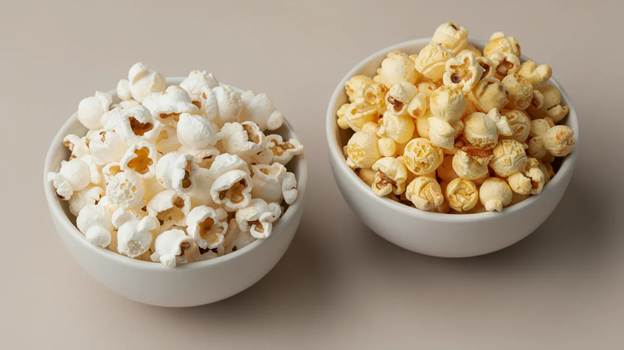
Is organic popcorn really better than conventional? The short answer: it depends on what matters most to you. Both types come from the same species of popping corn, but they’re grown and processed under very different standards.
Olde World Popcorn focuses on organic and minimally processed products, making it easier for consumers to understand exactly what they’re eating. Here’s how the two compare:
- Growing methods: Organic corn crops use natural pest control and soil-building practices; conventionalcorn crops may use synthetic fertilizers and pesticides
- Processing: Organic products avoid artificial additives and preservatives; conventional ready-to-eat bags often contain refined oils, artificial colors, and excessive sodium
- Typical formats: Organic tends toward bulk kernels and lightly seasoned bags; conventional spans everything from plain kernels to heavily flavored microwave popcorn
Organic options like Olde World Popcorn offer a more transparent, “what-you-see-is-what-you-get” approach to this popular choice among favorite snacks.
How Organic and Conventional Popcorn Are Grown
“Organic” is a farming standard regulated by the USDA, while “conventional” generally refers to crops grown with synthetic fertilizers and pesticides.
Certified organic popcorn farming prohibits:
- Synthetic pesticides and petroleum-based fertilizers
- Glyphosate desiccation before harvest
- Genetically modified organisms
Instead, organic farmers rely on crop rotation, cover crops, natural pest predators, and composting. This approach builds soil with 2-3% higher organic matter content, leading to better water retention and enhanced microbial diversity that supports beneficial insects and pollinators.
While no GMO popcorn seeds exist in the U.S. market, conventional popcorn may still be grown near genetically modified field corn and treated with common herbicides like atrazine. Studies indicate up to 80% of conventional corn seeds may be coated with neonicotinoids, which persist in soil and contribute to pollinator declines.
Olde World Popcorn’s organic growers—family farms in the Midwest—prioritize soil health and long-term land stewardship, contributing to a healthier planet while producing superior kernels.
Nutritional Differences: Organic vs. Conventional Kernels
The core nutrition of plain popcorn is similar whether organic or conventional. Both are whole-grain foods providing essential nutrients and fiber.
A typical 3½-cup serving of aair-poppedpopcorn contains:
- 120-130 calories (making it a low-calorie snack)
- About 5g of dietary fiber (20% daily value)
- Approximately 3g of plant-based protein
- Trace mineral,s including magnesium (10% DV) and manganese
- Naturally low in fat and sugar
Small differences in essential vitamins, minerals, and antioxidants typically stem from soil quality, kernel variety, and freshness rather than the organic label alone. Darker or heirloom varieties—more common in organic lines—may show 20-50% higher phytonutrient levels.
The biggest nutritional gap appears after processing. Organic products like Olde World Popcorn limit artificial additives, while many conventional brands add excessive salt (up to 500mg per serving), refined oils high in unhealthy fats, and artificial colors.
Pesticides, Additives, and What’s Really in the Bag
The most meaningful difference for many shoppers isn’t the corn itself but what comes along with it: pesticide residues and flavor additives.
USDA data shows conventional corn bearing traces of 10-15 synthetic compounds, while organic popcorn guarantees zero synthetic residues through third-party audits. Harmful chemicals like atrazine and neonicotinoids found on conventional crops have been linked to endocrine disruption in animal studies.
Common additives in conventional ready-to-eat popcorn include:
- Refined palm or canola oils
- Artificial “butter” flavors
- Colors like Yellow 5 or 6
- High-fructose corn syrup in caramel varieties
- Preservatives like TBHQ
Historical concerns about diacetyl (linked to respiratory issues in factory workers pre-2007) and PFOA in bag linings (phased out by 2015) have been largely resolved. However, organic brands avoid reformulated chemicals by design.
Olde World Popcorn’s focus on short, recognizable ingredient lists—organic kernels, healthy oils, and real seasonings—ensures consumers can quickly understand what they’re eating.
Flavor, Texture, and Freshness: Do Organic Kernels Taste Better?
Taste is subjective, but growing and handling practices genuinely influence flavor, aroma, and texture. Properly dried organic kernels often pop 20-30% larger and fluffier, with a nuttier, corn-forward taste.
Sensory panels rate fresh organic kernels 15-25% higher in aroma volatiles—the compounds responsible for that delicious popcorn scent. Mass-market conventional products sometimes rely on aggressive butter, cheese, or caramel flavorings to mask staleness.
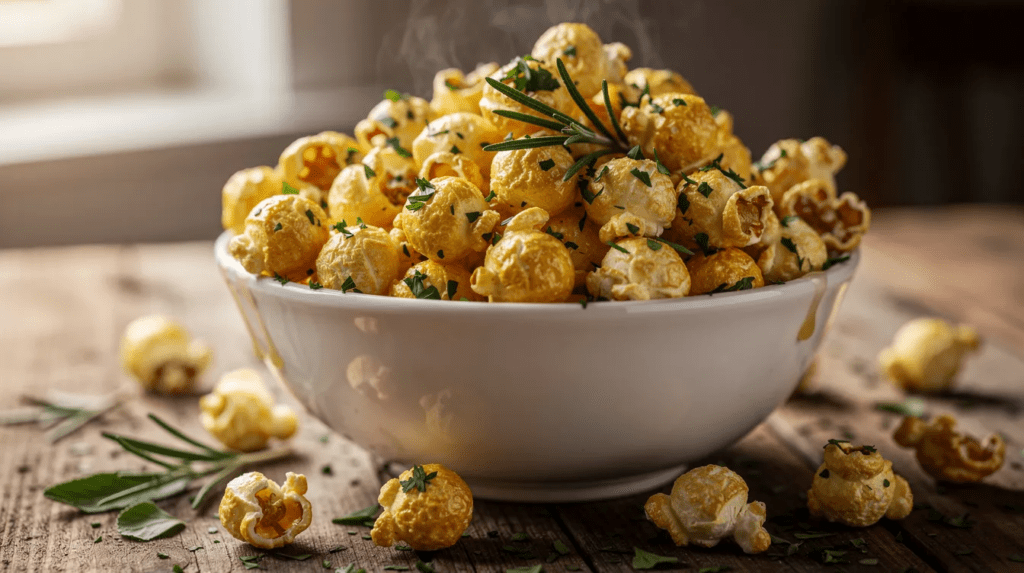
Try this comparison: pop plain organic Olde World Popcorn kernels at home versus a typical conventional microwave bag. Notice the aroma, hull texture, and aftertaste. Simple toppings like sea salt, a drizzle of coconut oil, or fresh herbs let natural corn flavor shine.
Cost, Value, and How to Shop Smart
Organic popcorn kernels typically retail at $4-8 per pound versus $2-4 for conventional. However, prevailing economics tell a different story.
When you buy organic popcorn in bulk (2-5 lb bags), the cost drops to just 10-20 cents per 3-cup bowl—far cheaper than chips, cookies, or candy. Consider these shopping tips:
- Compare unit prices per ounce
- Favor plain kernels over single-serve flavored bags
- Use home popping methods to maximize servings
Organic popcorn is a value snack when considering its high fiber content, satiety factor, and clean ingredients. Olde World Popcorn products deliver organic quality with everyday affordability—perfect for family movie nights, school lunches, and office snacks.
Healthier Ways to Prepare Any Popcorn (Organic or Conventional)
Preparation method often matters more to your overall health than whether popcorn is organic or conventional.
Air popping: No added oil, just 15-20 calories per cup. Ideal for calorie-conscious diets. Use an air popper or vented stovetop popper.
Stovetop with oil: Use moderate amounts of high-smoke-point oils at medium heat. Organic coconut oil (450°F smoke point) or avocado oil (520°F) works excellently without creating off-flavors.
Microwave options: Skip pre-packaged bags with long ingredient lists. Instead, use a glass or silicone microwave popper with plain kernels, then season after popping.
Better-for-you toppings include:
- Nutritional yeast for a cheesy, B-vitamin boost
- Herbs and spices
- Light drizzle of real butter or olive oil
- Cinnamon for a sweet twist
Organic Popcorn for Different Diets and Lifestyles
Plain popcorn fits into many modern eating patterns. It’s a naturally gluten-free, whole-grain,n nutritious snack that’s also vegetarian and vegan-friendly.
Dietary considerations:
- Gluten-free: Popcorn is naturally gluten-free, but cross-contamination can occur in flavored products. Look for certified gluten-free labels if sensitive
- Vegan: Organic kernels are always plant-based; watch for dairy in toppings like butter or cheese powders
- Calorie-conscious:Air-poppedd popcorn’s low energy density promotes fullness—a healthier snack option for weight management
- High-fiber: With 5g fiber per serving, popcorn supports dietary goals and digestive health
For families, organic popcorn popped at home with simple toppings makes a tasty treat that’s smarter than heavily sugared or dyed snacks. Note: Popcorn isn’t recommended for children under age 4-5 due to choking risk.
Q&A: Common Questions About Organic vs. Conventional Popcorn
Is organic popcorn really worth the extra money?
For households eating popcorn frequently, yes—especially if you care about pesticide exposure, clean ingredient lists, and supporting sustainable farming. The price difference per serving is often just a few cents when buying organic kernels in bulk.
Try this experiment: buy one bag of organic kernels and one bag of conventional microwave popcorn. Compare taste, ingredients, and how many bowls each yields. Those on tight budgets can still improve their snacks by choosing plain conventional kernels with healthier preparation methods.
Is popcorn safe for kids, and should I choose organic for them?
Popcorn is generally safe for older children but not recommended for toddlers under age four due to choking risk. For school-age kids, organic popcorn popped at home reduces artificial additives and excess sodium compared to similar products.
Involve kids in seasoning their own bowls with simple toppings—cinnamon, light cheese, or herbs—using Olde World Popcorn kernels as the base. For families concerned about cumulative chemical exposures, organic choices help “clean up” this common snack.
Are microwave popcorn bags still a health concern in 2026?
Major manufacturers removed diacetyl from butter flavors around 2007, and PFOA coatings were phased out starting in 2006. Modern bags are generally considered safe when used as directed.
The main concerns today are high sodium, low-quality oils, and long ingredient lists—not bag materials. For convenience without compromise, use plain organic kernels in a glass or silicone microwave popper, then add simple seasonings.
How long do organic popcorn kernels last, and do they go stale faster than conventional ones?
Both organic and conventional kernels are dry grains that keep well for 1-2 years when stored properly. Keep kernels in a cool, dark place in a sealed container.
The main risk is moisture loss—old or poorly stored kernels produce more unpopped seeds. If uncertain about older kernels, do a quick “test pop” of a tablespoon before making a full batch.
Does choosing organic popcorn really help the environment?
Yes. While popcorn is a relatively small crop, organic fields reduce synthetic pesticide use, improve soil health, and support pollinators and beneficial insects. Organic standards prohibit chemicals linked to water contamination and biodiversity loss.
Olde World Popcorn’s commitment to organic sourcing supports farming methods prioritizing long-term soil fertility. Your snack choices are one of many small steps toward more sustainable food systems.
FAQ About Organic Popcorn
Can I mix organic and conventional kernels in the same batch?
You technically can, but different varieties may have different moisture levels and expansion rates, leading to uneven popping. For consistent results and flavor, pop Olde World Popcorn kernels separately and compare side by side if desired.
What’s the best oil to use when popping organic popcorn?
High-smoke-point healthy oils like organic coconut oil, avocado oil, or light olive oil work best—they withstand stovetop heat without burning. For buttery flavor, add melted butter after popping rather than cooking with it, which can scorch.
Is pre-popped bagged popcorn as healthy as popping kernels at home?
It depends entirely on brand and flavor. Some organic bagged popcorns are lightly seasoned and close to homemade, while others—especially conventional brands—contain high sodium and added fats. Compare ingredient lists and view home-popped organic kernels as the baseline for the cleanest option.
Can I store popped organic popcorn for later?
Yes, cooled popped popcorn keeps in an airtight container for 1-2 days, though it gradually loses crispness. Store away from moisture and odors. Briefly rewarm in a low oven to restore crunch if needed.
Does organic popcorn contain more fiber than conventional popcorn?
Fiber content is determined by popcorn being a whole grain, not by certification. The difference per serving is minimal. However, choosing organic ensures this high-fiber, crunchy, versatile treat is also lower in unwanted other ingredients and additives—a good source of both fiber and peace of mind for your daily diet and well-being.