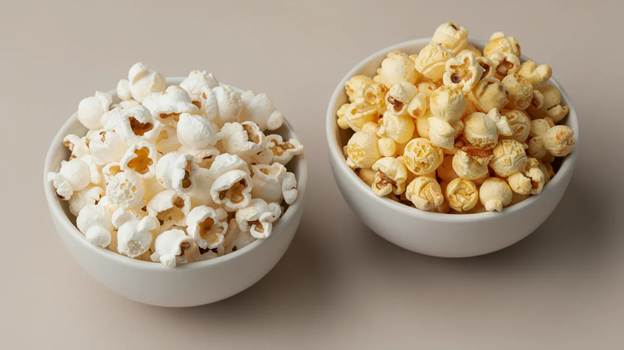
Olde World Popcorn, a Wisconsin-based popcorn maker, offers popcorn that can be a genuinely healthy snack when prepared simply, without heavy butter and salt. But does popcorn deserve its reputation as a guilt-free munchie, or is that just clever marketing?
The short answer: yes, popcorn can be healthy because it is a whole grain, high in fiber, and naturally low in calories when air popped. What turns this pretty good snack into a dietary horror are the toppings and preparation methods—movie theater butter, heavily flavored microwave bags, and sugary coatings.
Key Takeaways
- Air popped popcorn is a whole grain food with surprising health benefits, delivering 3-4g fiber and only 90-110 calories per 3-cup serving
- Preparation matters most: plain popcorn supports heart health, weight management, and digestive health, while adding butter, salt, and sugar can triple calories
- Movie theater popcorn can contain 800-1,200 calories and exceed daily sodium limits—a public health concern worth avoiding
- Eating popcorn daily fits into a balanced diet when portions and toppings stay controlled
- This article includes a practical Q&A section to help you prepare popcorn more healthfully at home
What Makes Popcorn Different from Other Snacks?
Popcorn is a type of corn kernel that transforms into a light, airy whole grain snack when heated. Unlike potato chips (150-160 calories per ounce with 1g fiber) or candy (150+ calories with minimal nutrients), a 3-cup serving of air popped popcorn delivers about 100 calories with 3-4g fiber content.
Plain popcorn is minimally processed compared with whole grain snacks containing refined grains, added sugar, and artificial flavors. You get more volume and more fiber for fewer calories—making you feel satisfied without the calorie overload. Olde World Popcorn focuses on quality kernels and simple seasonings to preserve these advantages.

Is Popcorn Healthy? (Short Answer Up Front)
Popcorn healthy? Absolutely—when it’s air popped or cooked in a small amount of olive oil or canola oil and seasoned lightly. It becomes less healthy when drenched in butter and salt or covered in sugary coatings.
Popcorn is a 100% whole grain food, naturally high in fiber and polyphenol antioxidants like ferulic acid, which are linked to lower risk of heart disease, coronary heart disease, and some cancers. The American Heart Association and USDA dietary guidelines recommend whole grains, and adding popcorn to your eating routine is one practical way to meet those goals.
Popcorn Nutrition: What’s in a Serving?
The nutrition facts below refer to plain, air popped popcorn—not butter-saturated movie theater versions.
For approximately 3 cups (24g) of air popped popcorn:
- Calories: 90-110
- Fiber: 3-4g (10-15% daily needs)
- Protein: 3-4g
- Fat: Less than 1g
- Sugar: Under 0.5g
- Key nutrients: Magnesium, phosphorus, manganese, B vitamins
This low calorie count with high fiber content makes popcorn a good source of nutrition among whole grain foods. It’s naturally gluten-free, safe for celiac disease. However, adding oil, butter, caramel, or cheese powders can double or triple the calories per serving.
Health Benefits of Popcorn (When Prepared Well)
Research on whole grains applies directly to popcorn. Here’s what the evidence shows:
Supports digestive health. Popcorn’s insoluble fiber promotes regular bowel movements and feeds beneficial gut bacteria. A high fiber diet supports immunity, metabolism, and even mood through the gut-brain axis.
May aid weight management. The high-volume, low-calorie profile means you can eat 6-8 cups for under 200 calories. Studies show people feel more full after popcorn than after eating potato chips at similar calorie intakes—its energy density is about 4 kcal/g versus 9 kcal/g for chips.
Linked to lower heart disease risk. As a whole grain, popcorn consumption associates with lower risks of high cholesterol, high blood pressure, and coronary heart disease. Fiber helps lower the risk by binding bile acids and reducing LDL cholesterol.
Rich in antioxidants. Popcorn contains up to 300mg polyphenols per 100g—exceeding many veggies like bell peppers. Ferulic acid fights cell damage and oxidative stress linked to aging and chronic health conditions.
When Popcorn Isn’t So Healthy: Toppings and Preparation Matter
The main health risk with popcorn comes from what we add, not the popped popcorn itself.
A large movie theater popcorn serving delivers 800-1,200 calories with 50-60g saturated fat and up to 2,500mg sodium—exceeding daily limits. That’s more calories than multiple fast-food meals.
Microwave popcorn varies widely. Some contain excessive saturated fat, artificial butter flavors, and added salt. Always check labels. Kettle corn and caramel varieties often pack 10-15g added sugar per serving, turning a great snack into dessert.
Olde World Popcorn encourages simpler ingredient lists that keep oil and added salt moderate while maintaining satisfying taste.
Popcorn and Specific Health Concerns
While popcorn benefits most Americans, certain situations require caution:
- IBS and digestive issues: High-fiber popcorn may cause bloating or gas. Consult your healthcare provider about portion sizes.
- Dental concerns: Hulls can irritate gums or lodge in braces. Eat carefully or less frequently.
- Young children: Popcorn poses a choking hazard for children under 4-5 years old. Avoid until they’re older.
- Diabetes: Popcorn’s fiber moderates blood sugar response, but portion control matters. Pair with protein for your next meal planning.
- Low-sodium diets: Choose air popped with minimal salt.
How to Make Popcorn a Healthier Snack at Home
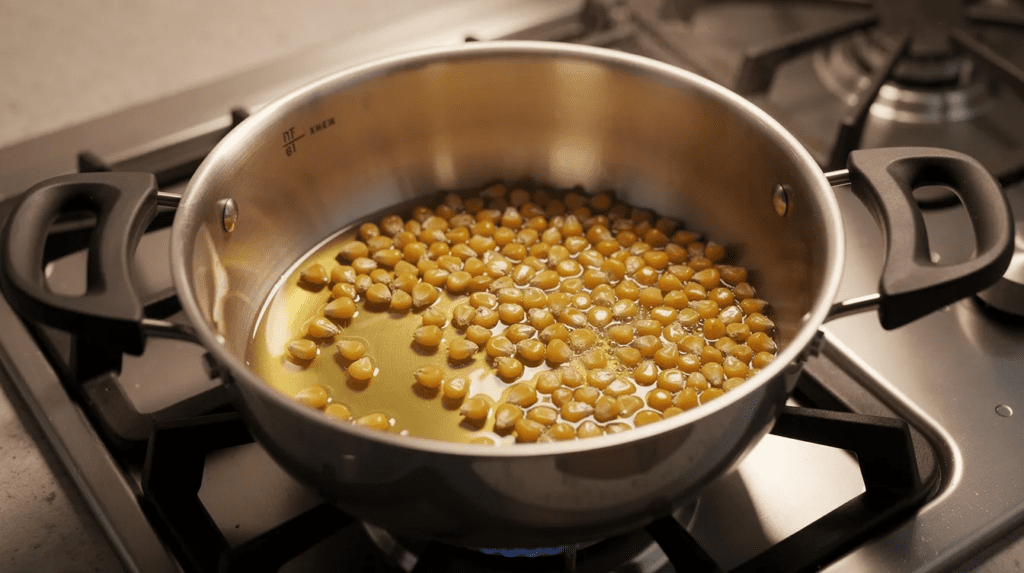
Most of popcorn’s health advantages come when you control ingredients at home. Three healthy methods:
- Air popper: No oil needed, lowest calories
- Stovetop: Use 1-2 teaspoons avocado oil or olive oil
- Paper bag microwave: Plain kernels in a brown paper bag
Aim for 3-4 cups popped as a typical snack portion. Season with nutritional yeast, smoked paprika, garlic powder, or cinnamon with cocoa for variety without excess sodium or sugar.
Olde World Popcorn offers premium Wisconsin-grown kernels that pop large and fluffy, holding seasonings well even when used sparingly. Try replacing one weekly processed snack with simply seasoned popcorn to improve your healthy diet quality.
Q&A: Common Popcorn Health Questions
Q1: Is microwave popcorn bad for you? Popcorn depends on ingredients. Many modern brands removed controversial additives, but check for high saturated fat and excessive sodium. Using plain kernels in a microwave-safe container is cleaner.
Q2: Can I eat popcorn every day and still lose weight? Daily popcorn fits weight loss plans when portions stay controlled. One 3-4 cup air popped serving works well within calorie-controlled eating for weight management.
Q3: Is popcorn okay for diabetes? Popcorn’s fiber and whole grain status can help—but carbohydrate portions still matter. Pair with nuts or cheese and monitor blood glucose.
Q4: What’s the healthiest oil for stovetop popcorn? Avocado oil, high-oleic sunflower oil, or extra-light olive oil offer favorable fat profiles. Use just enough to coat the pot bottom—you’ll still get a healthy hit of flavor.
Q5: Are flavored popcorns like caramel ever healthy? These are occasional treats due to added sugar, salt, and fats. Choose smaller portions or lighter versions if you enjoy them.
Olde World Popcorn’s Approach to a Better Snack
From Asymmetric Applications’ perspective, Olde World Popcorn represents what a popular snack should be: simple, high-quality, and respectful of both flavor and health.
The company emphasizes premium Wisconsin kernels, clean ingredient lists, and classic seasonings designed to keep sodium and added fat moderate. They offer plain kernels ideal for air popping or stovetop preparation, letting you control exactly what goes on top.
With transparency in labeling and no unnecessary artificial colors or preservatives, Olde World Popcorn provides the foundation for healthier snacking. The healthiest popcorn is the one you prepare intentionally.
FAQ About Popcorn Healthy
Is air-popped popcorn healthy compared to oil-popped?
Air popped popcorn is lowest in calories and fat, ideal for strict calorie control. Using small amounts of heart-healthy oil for stovetop popping remains nutritious compared to heavily buttered snacks. Choose air popped most often, and enjoy lightly oil-popped as an occasional treat.
Can popcorn be part of a heart-healthy diet?
Plain or lightly seasoned popcorn supports heart health as a whole grain rich in fiber, helping with cholesterol and blood pressure. Avoid saturated fat-heavy toppings like excessive butter. When paired with other whole grains like brown rice, whole wheat bread, fruits, and veggies, popcorn can replace harmful snacks and improve heart-health profiles.
Does popcorn count toward my daily whole grain intake?
Yes. Popcorn is 100% whole grain, so a 3-cup serving contributes roughly one ounce-equivalent toward daily whole grain goals. Mix with other whole grains like oats and whole wheat for variety—most Americans don’t get enough whole grain foods in their food choices.
What’s the best way to store popcorn kernels?
Store unpopped kernels in an airtight container in a cool, dark pantry to maintain 13-14% moisture for optimal popping. Popped popcorn stays crispest in sealed bags consumed within 1-2 days. Olde World Popcorn kernels arrive fresh, but proper home storage maximizes pop volume and taste.